
Last updated October 16, 2026
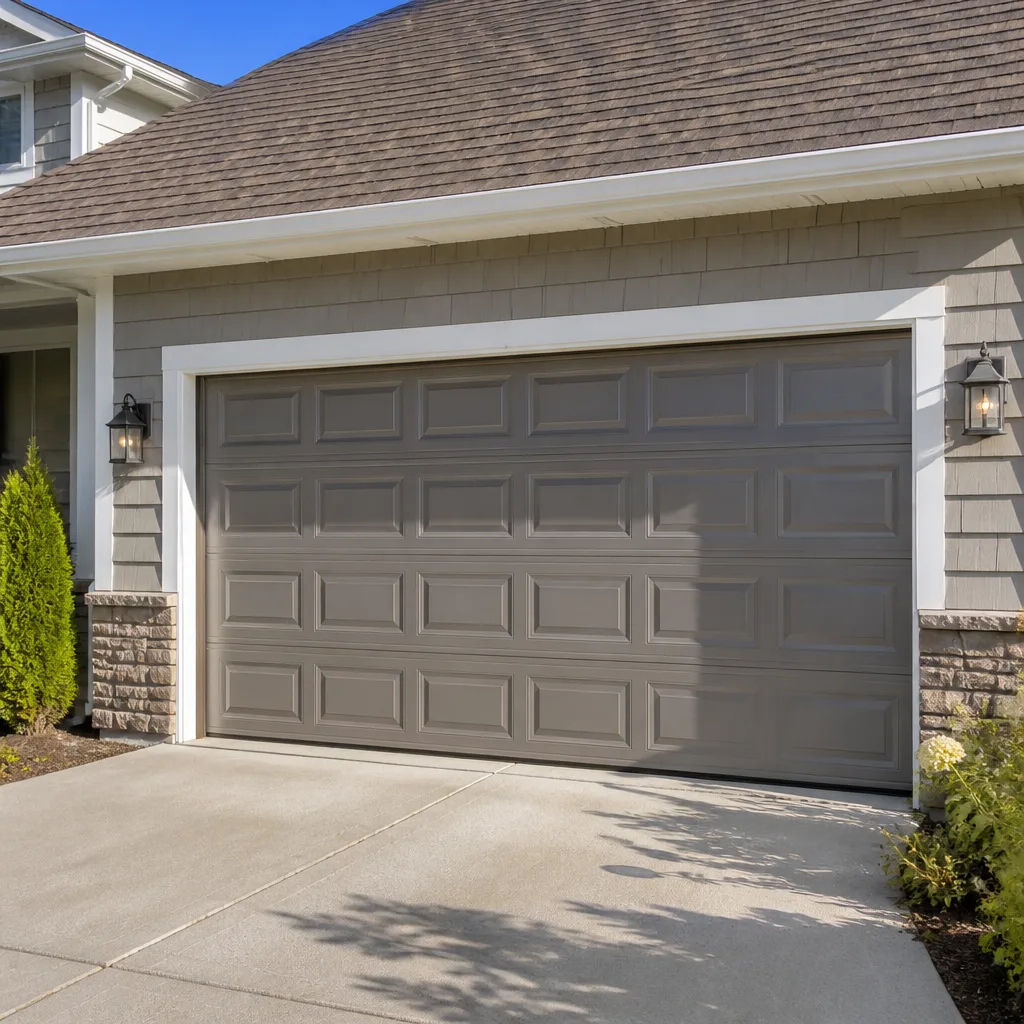 Raised-panel steel
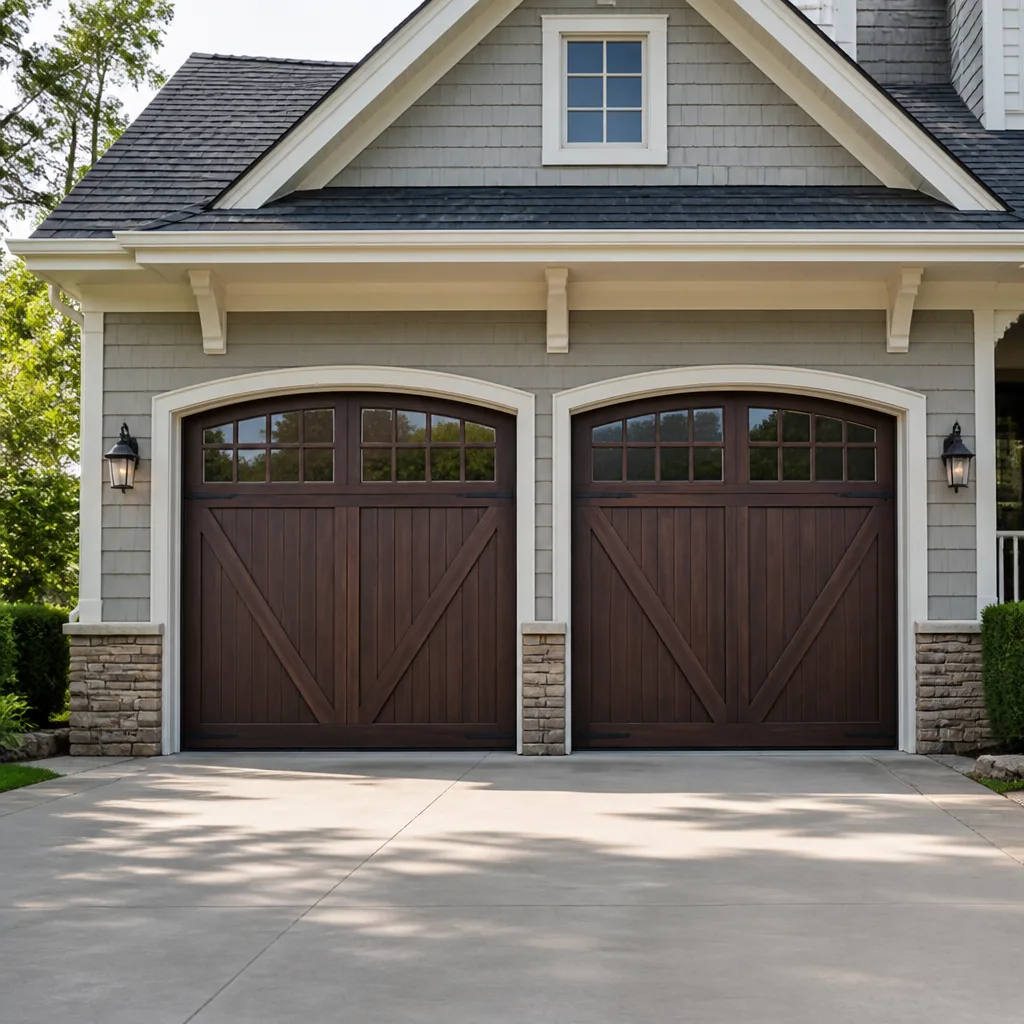 Carriage house
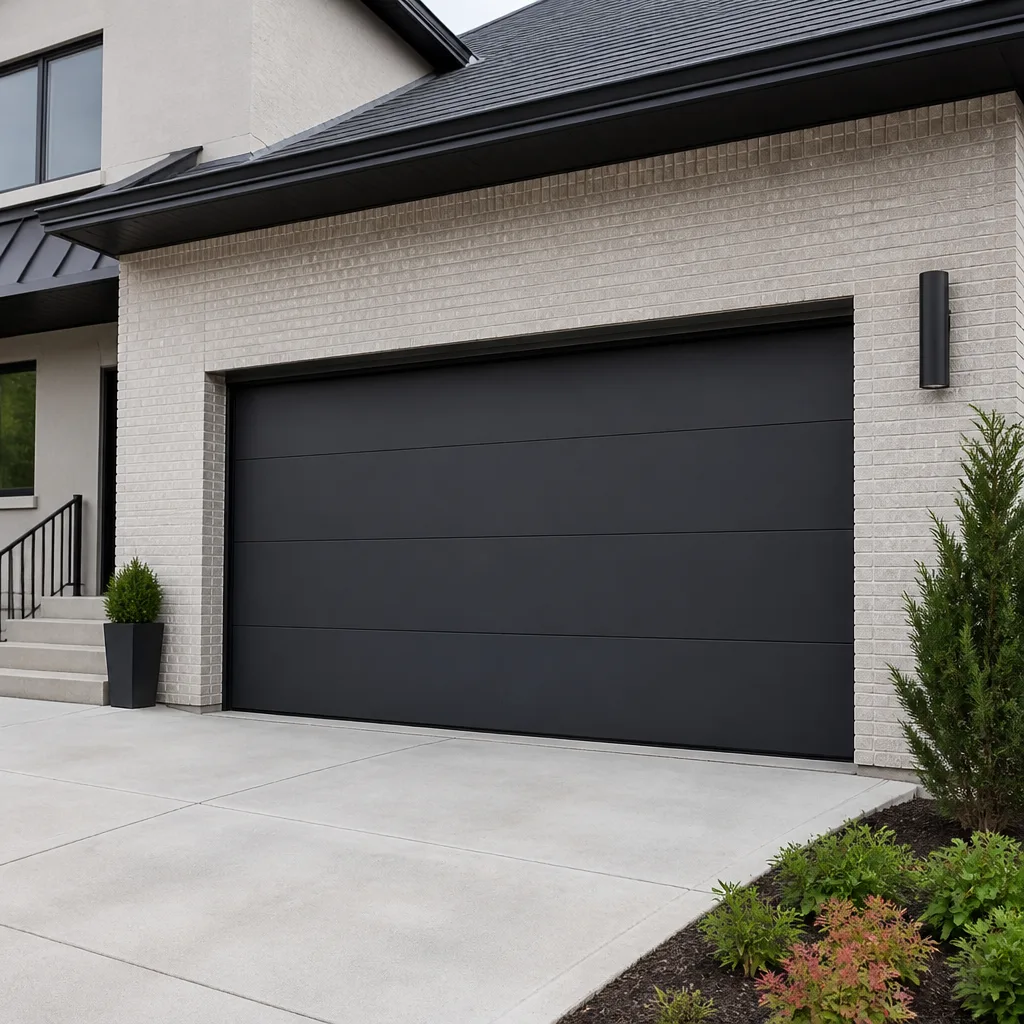 Modern flush
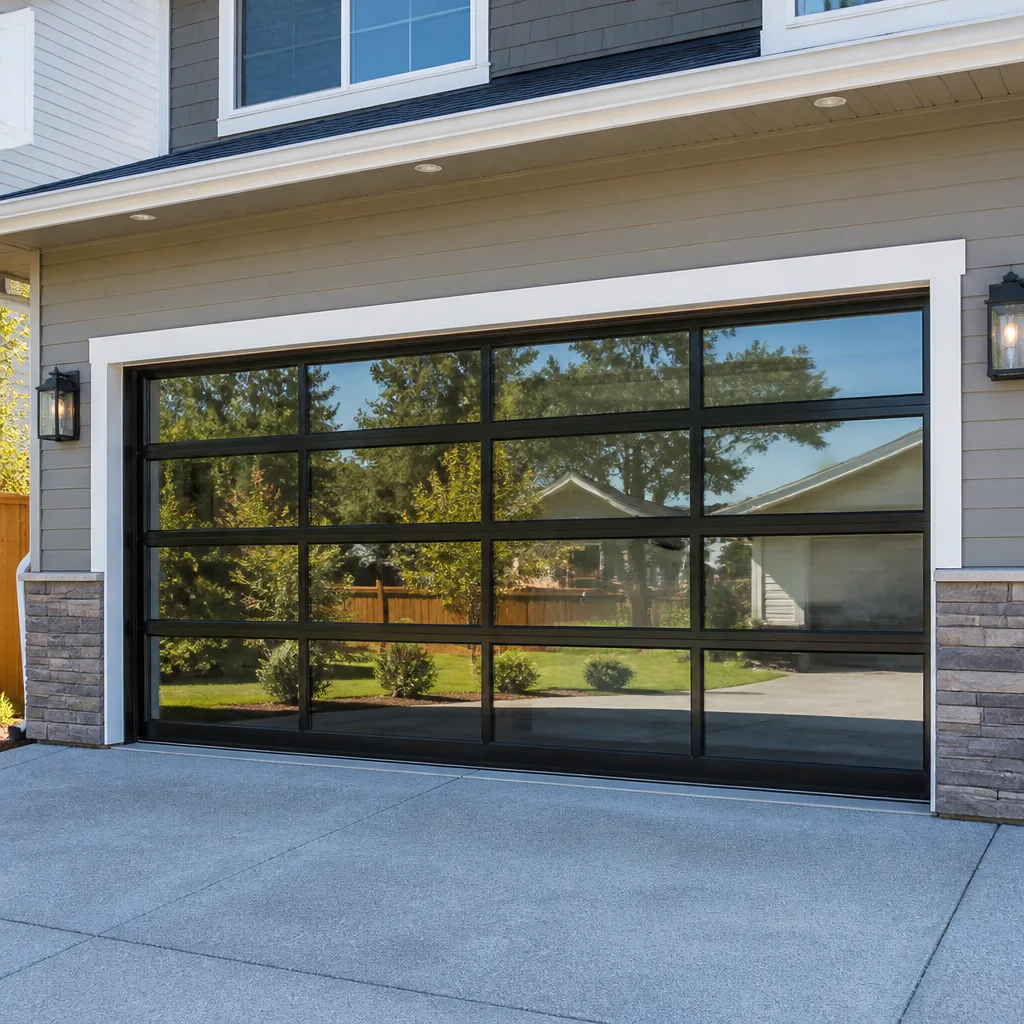 Full-view glass
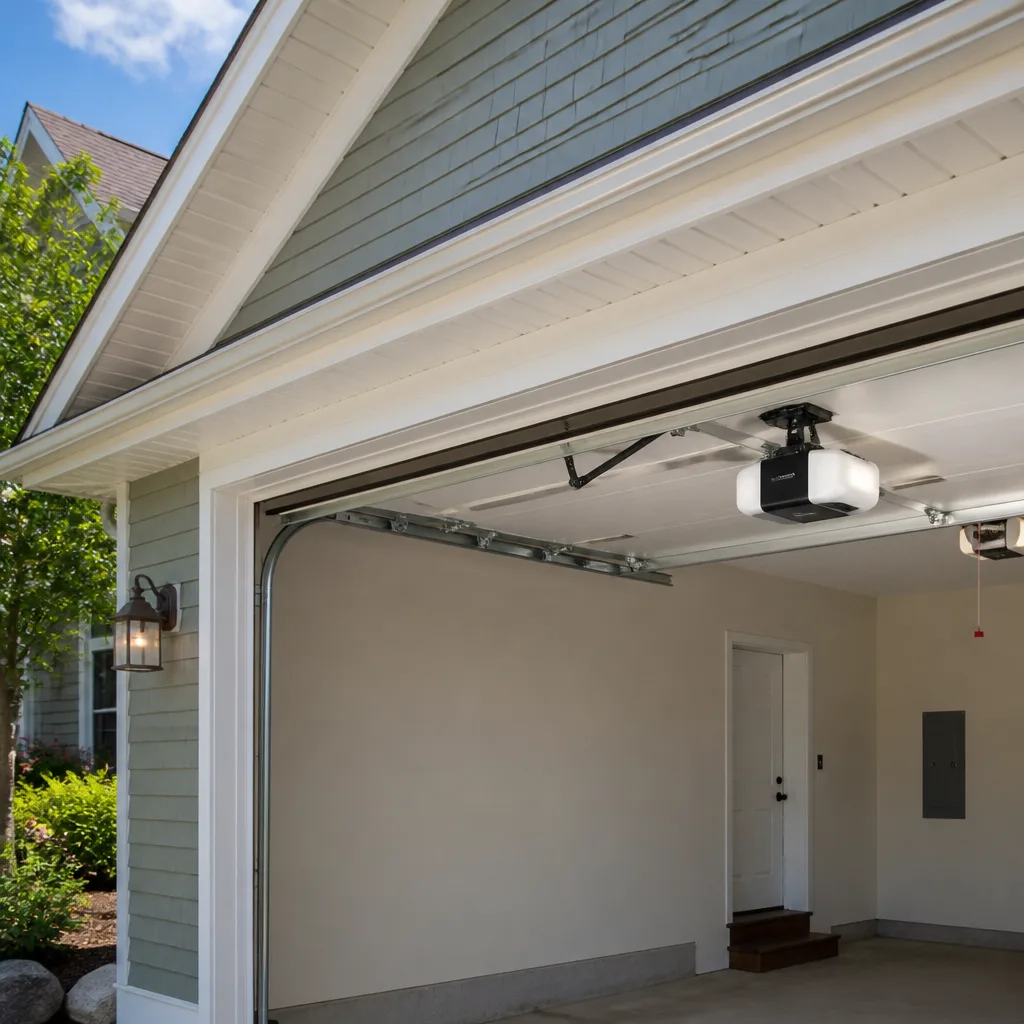 LiftMaster openers
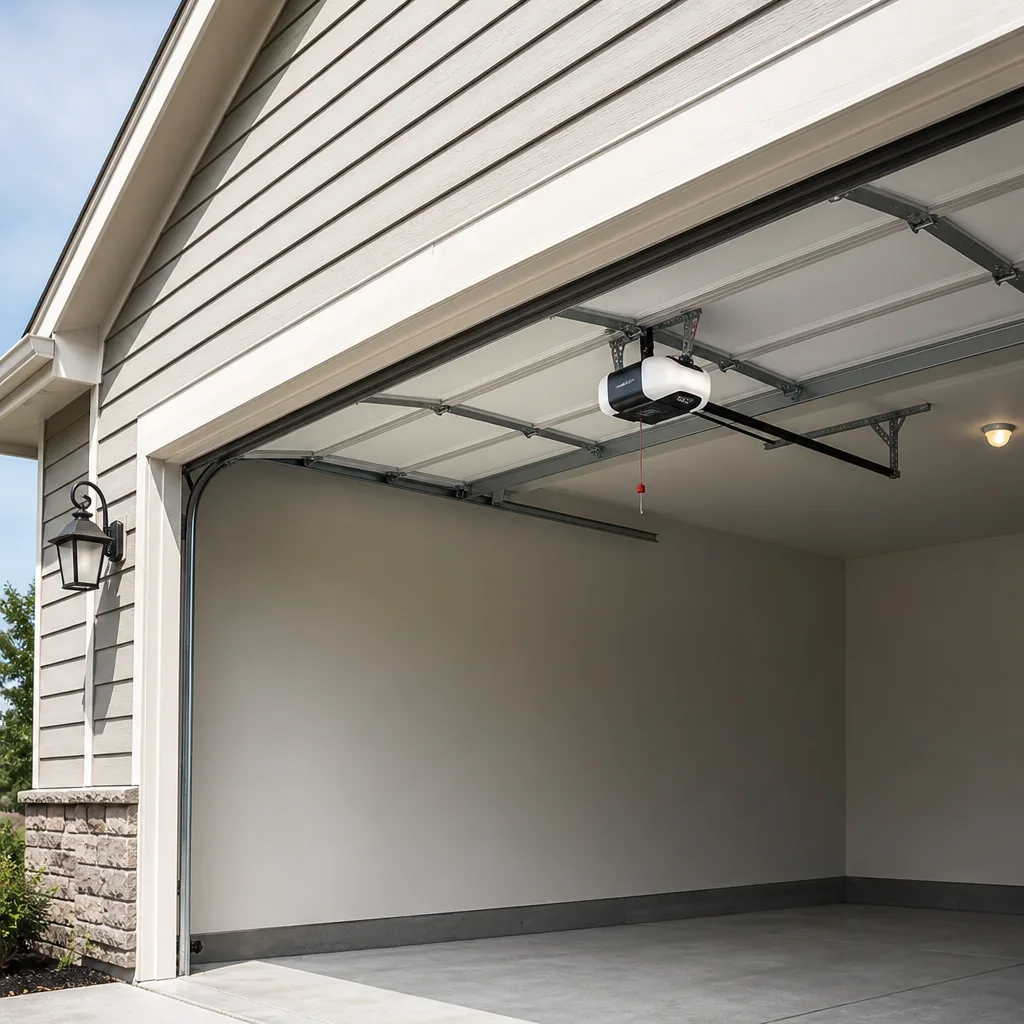 Chamberlain openers
Full 25-point door and opener safety check with every visit - springs, cables, rollers, tracks, and your LiftMaster or Chamberlain opener included
You get a price before we start. It does not change when the truck arrives.
Get your free estimateGarage Door Cost Breakdown: The Miami Homeowner’s Reference for 2026
Here’s a number that should make every Miami homeowner pause. A national cost guide says a torsion spring replacement runs $150 to $350. When you call three Miami-Dade garage door companies, the quotes come back at $250, $390, and $480. None of them are ripping you off. The gap exists because Miami is not a national average. Salt air corrodes hardware faster. Hurricane code mandates specific components. Labor costs more. This guide breaks down actual 2026 price ranges for Miami, line by line, so you know what a fair quote looks like before you pick up the phone. For Garage Door Warning Signs: A Miami Homeowner’s Reference Guide, see our companion resource. And so you can spot the one that isn’t.
Styles & brands we work with
Quick Answer
In Miami, garage door repair costs in 2026 typically run $145 to $550 depending on the part, with torsion spring replacement landing at $250 to $450 installed using NOA-compliant components. A full panel-section replacement runs $350 to $800, a new opener unit $400 to $900 installed, and a complete new door installation starts around $1,400 and climbs past $4,500 for insulated hurricane-rated models. Every price in this guide includes parts and labor unless stated otherwise.
Table of Contents
- Why Garage Door Work Costs More in Miami Than the National Average
- Line-Item Price Ranges: Miami’s Ten Most Common Repairs in 2026
- Hurricane Code, NOA Compliance, and What It Does to Your Bill
- How to Read a Garage Door Quote Like a Pro
- The Real Cost of Deferred Maintenance: Small Problems, Big Bills
- Seven Questions to Ask Before Accepting Any Quote
- What a New Garage Door Costs in Miami in 2026
- Garage Door Opener Repair and Replacement: Miami Pricing
- Common Mistakes to Avoid
- When to Call a Professional
- Frequently Asked Questions
- The Bottom Line
Why Garage Door Work Costs More in Miami Than the National Average
National cost guides aggregate data from all fifty states. A $200 spring job in Ohio pulls down the average for a $300 spring job in Hialeah. That’s not useful to you. Miami carries a structural premium of roughly 15 to 25 percent over the national baseline, and that premium isn’t padding. It’s geography, regulation, and material science.
First, the climate. Salt-laden air off Biscayne Bay corrodes metal at a rate northern homeowners never experience. Galvanized springs last seven to ten years in Ohio. In Coral Gables, Kendall, or Cutler Bay, that same spring might fail in four to six. The parts that survive here are made differently. Stainless steel, zinc-coated, or powder-coated hardware costs more to manufacture and more to buy. That’s line item one on your quote.
Second, Florida contractor licensing. Miami-Dade County requires garage door contractors to carry specific licenses and insurance that don’t exist in most states. That overhead gets distributed across every job. It’s the same reason a plumber costs more in Miami than in Minneapolis: the barrier to entry is higher, and it filters out the unlicensed operators who can undercut prices elsewhere. You’re paying for the license because the license means accountability.
Third, wind-load engineering. A garage door in Miami is not just a door. It’s a structural component of your house during a hurricane. That changes the math on springs, tracks, brackets, and reinforcement struts. A spring rated for Miami-Dade Product Approval standards is not the same spring sold on a national website. It’s engineered, tested, and documented. That documentation has a cost.
Fourth, disposal and logistics. When a hurricane-rated door section comes off a track in Pinecrest, the old panel can’t go in a standard dumpster. It’s heavy, it contains insulation materials with specific handling requirements, and disposal fees reflect that. Small line item. Real cost.
Here’s what all this means for you: if a Miami quote matches a national average exactly, something is being cut. Maybe the hardware is unrated. Maybe the labor is unlicensed. Maybe the quote is bait and the invoice will be different. More on that later. For now, know that fair Miami pricing exists in a band, not a single number. And this guide gives you that band.
Line-Item Price Ranges: Miami’s Ten Most Common Repairs in 2026
These are the ten repairs our Miami garage door repair work sees most often. The low end represents a basic, uncomplicated job on a standard single door. The mid range accounts for most Miami homes: a double door, a second-story spring mount, or an older door with slightly unusual hardware. The high end factors in hurricane-rated components, hard-to-access installations, or same-day emergency service. Every range includes parts and labor.
| Repair | Low | Mid | High |
|---|---|---|---|
| Torsion spring replacement (single) | $250 | $320 | $450 |
| Torsion spring replacement (pair, double door) | $380 | $450 | $600 |
| Cable replacement (single side) | $160 | $200 | $280 |
| Roller replacement (all rollers) | $120 | $160 | $220 |
| Track realignment and adjustment | $110 | $150 | $210 |
| Weather seal / bottom seal replacement | $90 | $130 | $170 |
| Panel section replacement | $350 | $550 | $800 |
| Opener unit replacement (installed) | $400 | $600 | $900 |
| Limit switch adjustment | $90 | $110 | $140 |
| Safety sensor replacement | $100 | $130 | $170 |
| Trolley assembly replacement | $140 | $190 | $260 |
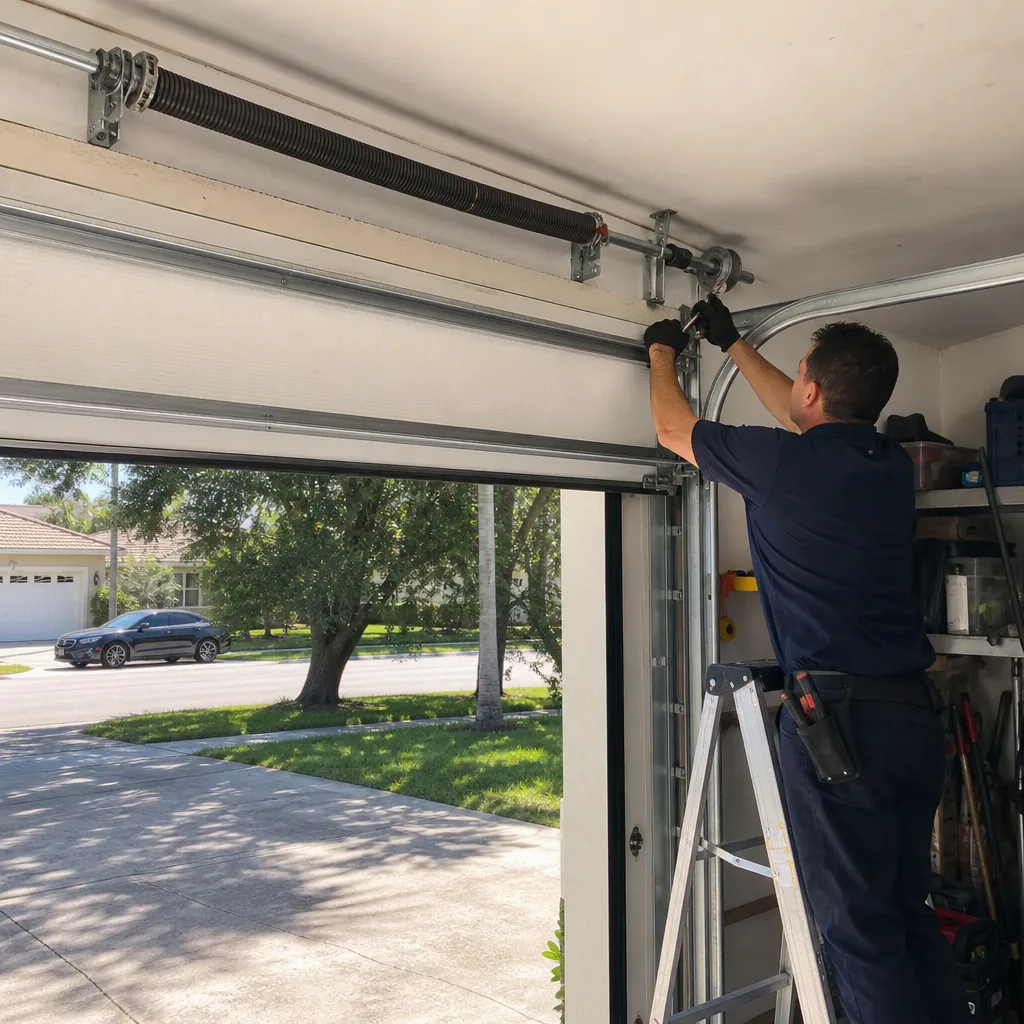
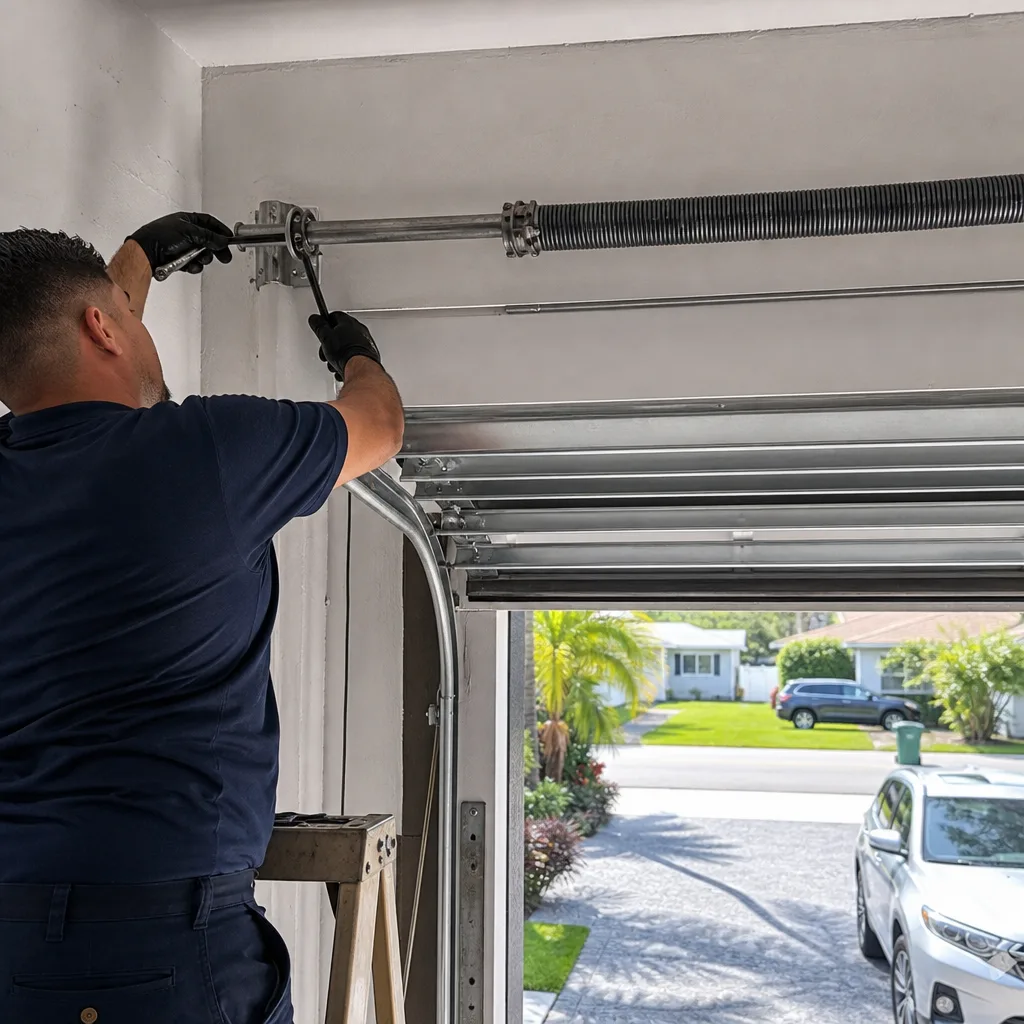
A few notes on these numbers. Torsion spring work is the most common repair we perform in Miami, and it’s also the repair with the widest legitimate price variance. A single spring on a lightweight aluminum door in Wynwood is a different job than a pair of springs on a heavy wooden door in Coconut Grove. The spring itself, the mounting hardware, and the labor to safely wind and set it all factor in.
Panel section replacement prices swing based on material and insulation. A basic steel panel for a builder-grade door sits at the low end. A wood-composite or insulated Clopay panel lands at the high end. And any panel that needs factory color-matching adds cost.
Opener replacement is where national guides mislead Miami homeowners most. A $150 opener from a big-box store still needs installation, programming, safety sensor alignment, and sometimes new mounting brackets. The $400 to $900 range reflects a quality opener installed to code with the old unit removed. We’ll get deeper into opener pricing later.
One more thing: if a quote comes in well below these ranges, ask what’s excluded. In our experience, a $99 spring replacement ad in Miami typically means one of three things: a bait price for a sales visit, an unrated spring, or a job that will suddenly require “additional work” once the door is apart. Honest work costs what it costs, and now you know what that looks like.
Hurricane Code, NOA Compliance, and What It Does to Your Bill
Miami-Dade County maintains its own building code, separate from the Florida Building Code that governs the rest of the state. For full details on compliance, read our guide to Garage Door Permits, Codes & Inspections in FL: What You Need to Know. The relevant piece for garage doors is about wind-load ratings and product approval. A garage door in unincorporated Miami-Dade, or any city within the county, must resist wind pressures that vary by location. Doors in Homestead face different requirements than doors in North Miami Beach, based on wind zone maps.
The term you’ll hear is NOA. That stands for Notice of Acceptance, Miami-Dade’s product approval system. A garage door or component with an NOA has been tested and certified for specific wind loads. If your door gets replaced, the new door must carry an appropriate NOA for your wind zone. This is not optional. It’s enforceable at the permitting level.
Here’s how this affects pricing in practical terms. An NOA-compliant torsion spring costs more than a generic one because the manufacturer had to pay for testing, documentation, and certification. An NOA-compliant door panel has reinforcement struts, thicker gauge steel, and specific hardware placement. When you buy a new door in Miami, you’re not just paying for metal and insulation. You’re paying for the engineering that keeps that door attached to your house when a Category 3 storm hits.
Your insurance company cares about this too. Many Florida homeowner policies offer mitigation credits for wind-rated garage doors. If you’re replacing a door, keep the NOA documentation. It’s evidence for your insurance file. If you’re repairing a door with non-rated parts on a rated door, you may be quietly voiding that protection. This is another reason Miami pricing sits above the national curve: the parts that belong on a Miami door are not the parts on a national hardware store shelf.
What about repairs that don’t involve replacement? A cable swap on a hurricane-rated door should use a cable of equal or greater rating. The old cable, if original, may have a rating stamp. The new one should too. This is the kind of detail a licensed Miami contractor accounts for that an unlicensed handyman won’t even know to check. It’s also why comparing two quotes demands more than comparing two dollar amounts. More on that in the next section.
How to Read a Garage Door Quote Like a Pro
Most homeowners compare quotes by looking at the bottom line. Two companies quote $350 and $520 for the same spring repair. The $350 wins, and sometimes that’s correct. But often the two quotes aren’t describing the same job. Here’s how to read them so you’re comparing apples to apples.
First, identify the quote type. Flat-price quotes bundle everything into one number. Itemized quotes break out parts, labor, service call, and any disposal fees. Neither is inherently better. What matters is that the quote tells you what’s included. A legitimate flat-price quote should still list what the job covers: which parts, what brand, what rating. If a flat price doesn’t say what you’re getting, it’s not a flat price. It’s a guess waiting to be revised.
Itemized quotes should break out something like this:
- Parts: Make, model, or rating of the specific components. “Torsion spring, pair, Clopay-rated 0.225 wire, 2-inch ID” is good. “Springs” is not.
- Labor: The actual installation or repair time. Nobody expects an hourly breakdown, but the labor line should be stated.
- Service call or diagnosis fee: Whatever the company charges to show up and assess. Some companies waive this if you proceed with repair. Some don’t. Know which you’re dealing with.
- Disposal: If old parts are being removed, this should be included or explicitly excluded.
- Warranty terms: What’s covered, for how long, and in writing. A verbal “we stand behind our work” is not a warranty.
One thing Bramwell Garage Doors Miami does that took years of seeing other companies’ quote games to formalize: we put the price in writing before any work starts, and that written price is the price. No “we found additional issues” adjustment unless you approve a written change order first. The number on the invoice matches the number you saw before you authorized the work. If a company won’t put a number in writing, walk away. That’s the single most reliable filter in this business.
Second, compare the hardware. A $250 spring quote in Miami that doesn’t specify a spring rating is almost certainly an unrated part going onto a door that may have been engineered for rated components. That’s not saving money. That’s trading a fair repair price for a potential insurance problem. Ask for the spring spec. Honest contractors answer this question in one sentence.
Third, compare the labor warranty separately from the parts warranty. Parts warranties come from the manufacturer. Most springs carry a one-year or two-year parts warranty. Labor warranties come from the company. This is where Bramwell’s 365-Day Done Right Promise enters the conversation. If the repair fails within a year, we come back and fix it at no charge. That commitment is in writing, on every job, without exception. When comparing quotes, factor the labor warranty into the price. A $320 repair with a written one-year labor warranty is cheaper than a $280 repair with no labor warranty and a technician who won’t answer the phone in month two.
The Real Cost of Deferred Maintenance: Small Problems, Big Bills
Garage doors rarely fail all at once. They degrade in cascading steps. A worn roller starts binding. The binding puts extra load on the torsion spring, the heavy coil mounted above the door that handles most of the lifting weight. The spring, now working harder than designed, fails early. The sudden cable slack that follows a spring failure yanks the cables, often damaging them. A $15 roller job becomes a $400 spring and cable job.
This sequencing is not rare. It’s the pattern we see most often in Miami. The salt air accelerates the timeline. Here’s what happens when specific small problems are ignored, with actual Miami price tags:
- Worn rollers ($120 to $220 to replace all): Rollers are the wheels that guide the door along its track. When they start grinding or wobbling, they stress the spring. Ignored long enough, this becomes a torsion spring failure at $250 to $450.
- Cracked bottom seal ($90 to $170 to replace): The rubber strip along the bottom of the door keeps out rain, humidity, and pests. In Miami, moisture is constant. A cracked seal lets water in, which corrodes the track from the inside. That corrosion becomes a $150 to $210 track realignment or a full track replacement at higher cost.
- Stiff or rusty hinges ($80 to $140 to service): Hinges connect the door panels. When they bind, the opener motor works harder. A motor that strains daily fails years early. That’s the difference between a $40 hinge and a $600 opener replacement.
- Noisy operation ignored: Grinding, squealing, or banging sounds are the door asking for maintenance. A $110 track adjustment now prevents a $400+ repair later.
- Misaligned safety sensors ($100 to $170 to replace): The sensors at the base of the door detect obstructions. When they drift out of alignment, the door reverses for no reason. Homeowners sometimes defeat them or ignore the problem. That’s a safety issue. Fix it now, before someone gets hurt and before the opener logic board burns out trying to reconcile conflicting signals.
The math here is simple. Fixing a roller is a $15 to $40 part. Fixing a spring is a $250 to $450 job. You’ll replace the spring eventually anyway. But a spring that fails because its rollers were never maintained fails early, and it often takes the cables with it. Preventive maintenance doesn’t stop springs from wearing out. It stops them from wearing out before their time. And in Miami, where the environment is aggressive, that matters more than anywhere else.
Seven Questions to Ask Before Accepting Any Quote
You don’t need to know how a torsion spring works to evaluate a contractor. You need to ask the right questions and watch how the answers come. Here are the seven that matter most in Miami, framed around what honest contractors answer without hesitation.
- “Can you put the price in writing before you start the work?” A legitimate company says yes, immediately. We do this on every job, without exception. If the answer is “we’ll see how it goes,” or “I’ll know once I get in there,” that’s the sound of a price change waiting to happen. The number you hear at the door should be the number on the invoice.
- “Is the hardware you’re installing rated for Miami-Dade wind loads?” This question separates the licensed Miami contractors from everyone else. A qualified company knows exactly what NOA compliance means for your specific door. A handyman will say “it’ll be fine.”
- “What does your warranty cover, and for how long?” Then get it in writing. Our 365-Day Done Right Promise covers the labor on every repair for a full year. If the repair fails inside that window, we return and correct it at no charge. Not a discounted second visit. Not a token credit. Done right, in writing.
- “Do you charge a service call fee if I go ahead with the repair?” Some companies waive the fee when you proceed. Some don’t. Know before you book. We quote the total price including any service fee when we arrive.
- “What brand of parts are you installing?” When a company tells you the parts are “generic” or “house brand,” that’s a red flag in Miami. Doors here need components that meet specific standards. Brands like Clopay, Amarr, and Wayne Dalton manufacture Miami-Dade rated components. A contractor who installs those is doing Miami work. A contractor installing unnamed springs is possibly doing Nebraska work in Miami.
- “Can you show me your license and insurance?” A licensed contractor in Miami-Dade carries documentation. Ask to see it. If the answer is defensive, end the conversation.
- “When can you be here?” A real company gives you a real window. We answer our phones 24 hours a day, seven days a week, with a live person. You’ll get a stated arrival window, not “sometime Tuesday.” That’s part of how the Kingswell Guarantee works: written price, real arrival window, clean job site, written warranty. Four promises, held together as a standard, not as marketing copy.
These questions take two minutes to ask. They will save you from the contractor who was never going to honor anything anyway. And they’ll help you recognize the ones who will.
What a New Garage Door Costs in Miami in 2026
If you’re replacing a full door rather than repairing one, the price scale moves significantly. A new garage door in Miami in 2026, installed and with NOA documentation, starts around $1,400 for a basic single steel door with no insulation. From there:
- Basic single steel door, non-insulated: $1,400 to $2,000
- Insulated steel door, single: $1,800 to $2,800
- Insulated steel door, double: $2,400 to $3,800
- Hurricane-rated insulated door with reinforcement struts, double: $3,200 to $5,500
- Wood or wood-composite door, double, finished: $4,000 to $7,000+
These ranges assume a standard door size and a straightforward installation. A custom-size door, a door requiring new tracks, or a door in a difficult-access location all push toward the high end. So does the removal and disposal of the old door, which in Miami involves specific handling for hurricane-rated hardware.
The insulation question is worth addressing directly. In Miami, an uninsulated garage door turns your garage into an oven seven months a year. The heat radiates into the house, raising your cooling bill and making the garage unusable as a space. An insulated door costs $400 to $800 more, and it pays for itself in comfort, if not in hard energy savings, within a few years. If the garage shares a wall with living space, insulation moves from nice-to-have to near-essential.
Brand matters too. Clopay and Amarr make doors across the price spectrum, from builder-grade to premium wood-look. Wayne Dalton occupies the midpoint with solid steel options. The price difference between brands reflects materials, warranty duration, and finish quality. For our garage door installation in Miami, we work with all the major brands and can walk through the trade-offs for your specific opening. A new door is a ten-to-fifteen-year decision. The wrong $1,700 door that doesn’t stand up to Miami salt air is more expensive than the right $2,300 door that survives it.
Garage Door Opener Repair and Replacement: Miami Pricing
The opener is the motorized unit that raises and lowers the door. It fails in two ways: the motor works but something else is wrong, or the motor itself dies. The first is a repair. The second is a replacement. Here’s how to tell the difference from the symptoms.
A garage door that runs but reverses immediately, stops halfway, or won’t respond to the remote is usually a sensor, limit switch, or logic board issue. These are repair jobs. A limit switch, which tells the opener where the “up” and “down” positions are, runs $90 to $140 to adjust or replace. Safety sensors, the photo-eye units at the bottom of the door, run $100 to $170 when replacement is needed. These are quick jobs, typically done in one visit, and they’re related to door repair work we handle constantly in Miami.
A motor that hums but won’t move the door, or makes a grinding noise and produces no movement, is usually terminal. Replacement is the answer. An opener unit replacement runs $400 to $900 installed. That includes the unit, mounting hardware, safety sensor alignment, remote programming, and removal of the old opener. The spread depends on the opener’s horsepower, whether it’s belt or chain drive, and whether you want smart-home functionality like Chamberlain’s MyQ or the LiftMaster line.
The trolley is the carriage that travels along the opener rail, and it’s one of the most common wear items in Miami. Salt air and humidity take a toll on the trolley mechanism. Replacement runs $140 to $260. It’s a smaller job, but it requires the same care as any opener work. A misaligned trolley can bind the door, which stresses the spring, which fails early. Back to the cascade.
We’re authorized to service all major opener brands, including LiftMaster, Chamberlain, Genie, and Craftsman. If your opener is older than eight years and failing repeatedly, replacement usually beats another repair. A new opener with a modern safety system and a fresh warranty is often the better long-term spend. Your technician should present both options honestly and let you decide. If they’re pushing hard toward replacement, ask why. A legitimate answer includes specifics. A sentence like “the motor windings are degrading” or “the logic board is failing intermittently” is real. “These older units just go bad” is not.
Common Mistakes to Avoid
- Accepting a quote that matches the national average without question. In Miami, the national average is usually too low. A $150 spring quote is either an unrated part or a sales call in disguise. If the price doesn’t account for Miami’s reality, neither will the repair.
- Not asking what the warranty covers. A one-year parts warranty is not a labor warranty. If the spring fails in month three and the company charges you $150 in labor to replace it under warranty, you didn’t have a warranty. You had a discount on parts. Our 365-Day Done Right Promise covers the repair, parts and labor, in writing.
- Deferring a small repair because it’s “not that bad yet.” That $20 roller becomes a $400 spring job. That $100 seal becomes a $200 track job. In Miami’s climate, the timeline between “not that bad” and “bad” is shorter than you think.
- Choosing a company based on the first number they quote over the phone. Phone quotes are estimates. Some companies quote low to get the visit and adjust on site. The only number that matters is the written number on the job site, before work begins. If a company won’t put that in writing, don’t hire them.
- Installing non-rated hardware on a hurricane-rated door. This quietly voids your insurance mitigation credits and leaves your door weaker in a storm. In Miami-Dade, the door’s wind rating isn’t optional. Neither is the hardware you put on it.
- Ignoring the garage door as part of your hurricane prep. A garage door that fails during a storm lets wind pressure into the house, which can lift the roof. Your garage door is a structural component, not an accessory. Replace it, repair it, and maintain it with that in mind.
When to Call a Professional
Some garage door work is safe to handle yourself: lubricating hinges with a silicone spray, tightening visible bolts, cleaning the tracks. But the moment the job involves the torsion spring, the cables, or any component under tension, stop. A torsion spring holds hundreds of pounds of force even at rest. When it releases, it releases instantly. That’s why Bramwell Garage Doors Miami recommends leaving spring and cable work to trained technicians. The same goes for anything involving the opener’s electrical connections or the door’s balance. A door that’s out of balance is dangerous: it can fall faster than you can react. If you’re seeing a sag on one side, hearing a loud bang from above the door, or the door won’t stay up, call a professional. Bramwell Garage Doors Miami offers free estimates in Miami. Call (850) 673-0645 and a live person will answer.
Frequently Asked Questions
Garage door repair in Miami typically costs $145 to $550 depending on the part, with most common repairs landing between $120 and $320. Torsion spring replacement runs $250 to $450, cable replacement $160 to $280, and opener repair $90 to $170. These figures include parts and labor and reflect NOA-compliant components where required. For more guides & resources, visit our blog, or call (850) 673-0645 for an exact quote on your specific door and issue.
Miami’s garage door repair premium of 15 to 25 percent comes from four structural factors: salt-air corrosion resistance requires better hardware, Miami-Dade County licensing and insurance overhead adds cost, hurricane-rated NOA-compliant components cost more to manufacture, and disposal of old hurricane-rated hardware has specific requirements. National averages don’t account for these. A quote that matches national pricing should be scrutinized carefully.
A new garage door in Miami costs $1,400 to $5,500 installed, depending on size, material, insulation, and wind-rating requirements. A basic single steel door starts around $1,400. An insulated double door runs $2,400 to $3,800. A fully hurricane-rated double door with reinforcement struts runs $3,200 to $5,500. All new doors in Miami-Dade require appropriate NOA documentation. Call (850) 673-0645 for a free in-home estimate with exact pricing for your opening.
No. A torsion spring holds hundreds of pounds of force, and releasing that force without proper tools and training causes serious injuries every year. The winding and unwinding process requires specific bars, the correct technique, and an understanding of how the spring’s torque interacts with the cables and the door’s weight. This is not a DIY job. Call a licensed professional instead.
A standard torsion spring in Miami lasts four to six years, compared to seven to ten years in a dry climate, because salt air accelerates metal fatigue. Higher-end springs with zinc or powder coating may last longer. The spring’s lifespan is measured in cycles, not years: a standard spring is rated for about 10,000 open-and-close cycles. In a Miami household where the door opens four times a day, that’s roughly seven years in ideal conditions. Salt air shortens it.
A legitimate quote in Miami states the parts by make and spec, includes labor, identifies any service call or diagnosis fee, addresses disposal, and specifies the warranty in writing. If the price isn’t written before work begins, walk away. The number on the invoice should match the number you approved beforehand. A written one-year labor warranty is a non-negotiable for any repair worth paying for.
The Bottom Line
Online cost guides tell you what a garage door repair costs in America. You don’t live in America. You live in Miami, where the salt air eats hardware, the hurricane code mandates specific components, and the licensing requirements filter out the worst of the industry while adding cost to every job. A fair Miami repair costs more than the national average. That’s the price of doing it right in South Florida. The ranges in this guide reflect actual 2026 pricing for Miami-Dade, assembled from years of local work. Use them to evaluate quotes. Ask for written pricing before work starts. Demand a written warranty. And when the repair is in writing and backed for a year, you’ve found a company worth keeping.
Written by Marcus Ellery, Owner at Bramwell Garage Doors Miami, serving Miami since 2001.
See the difference
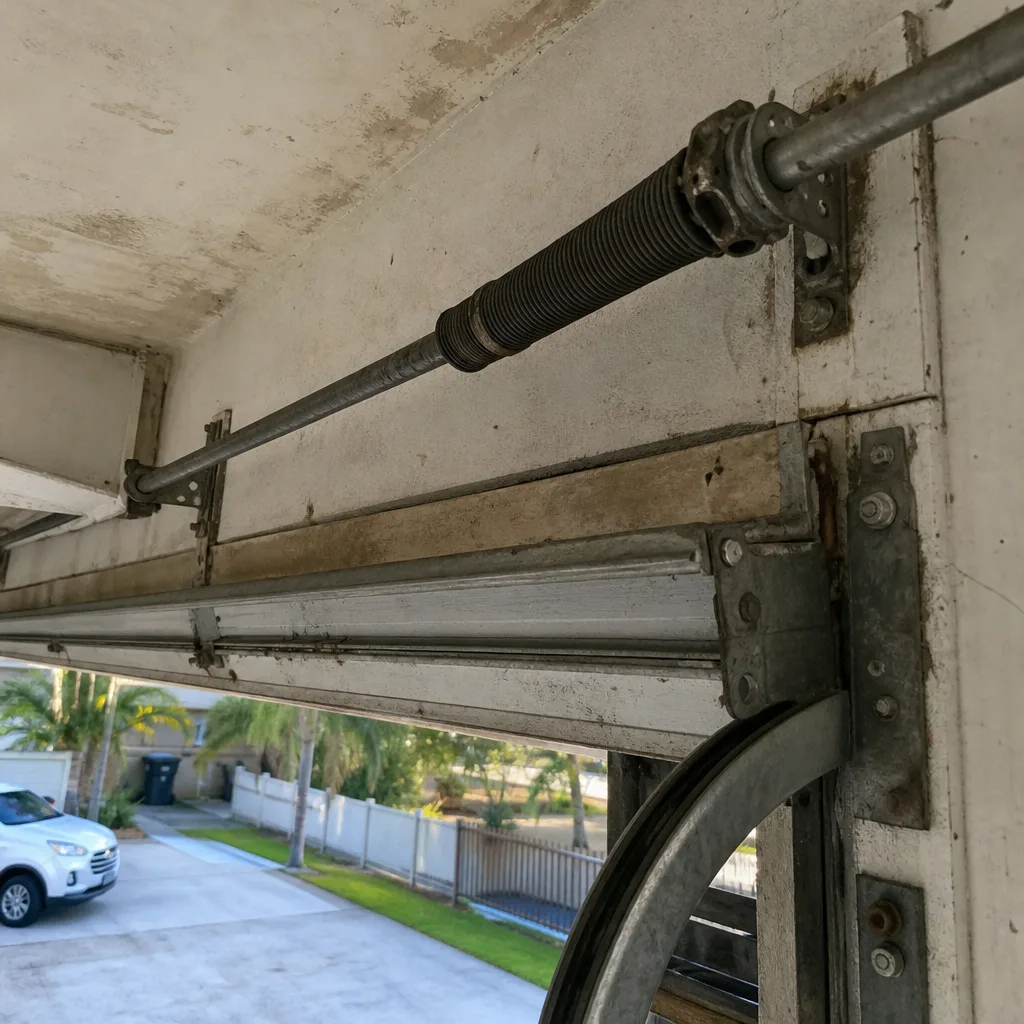 Before
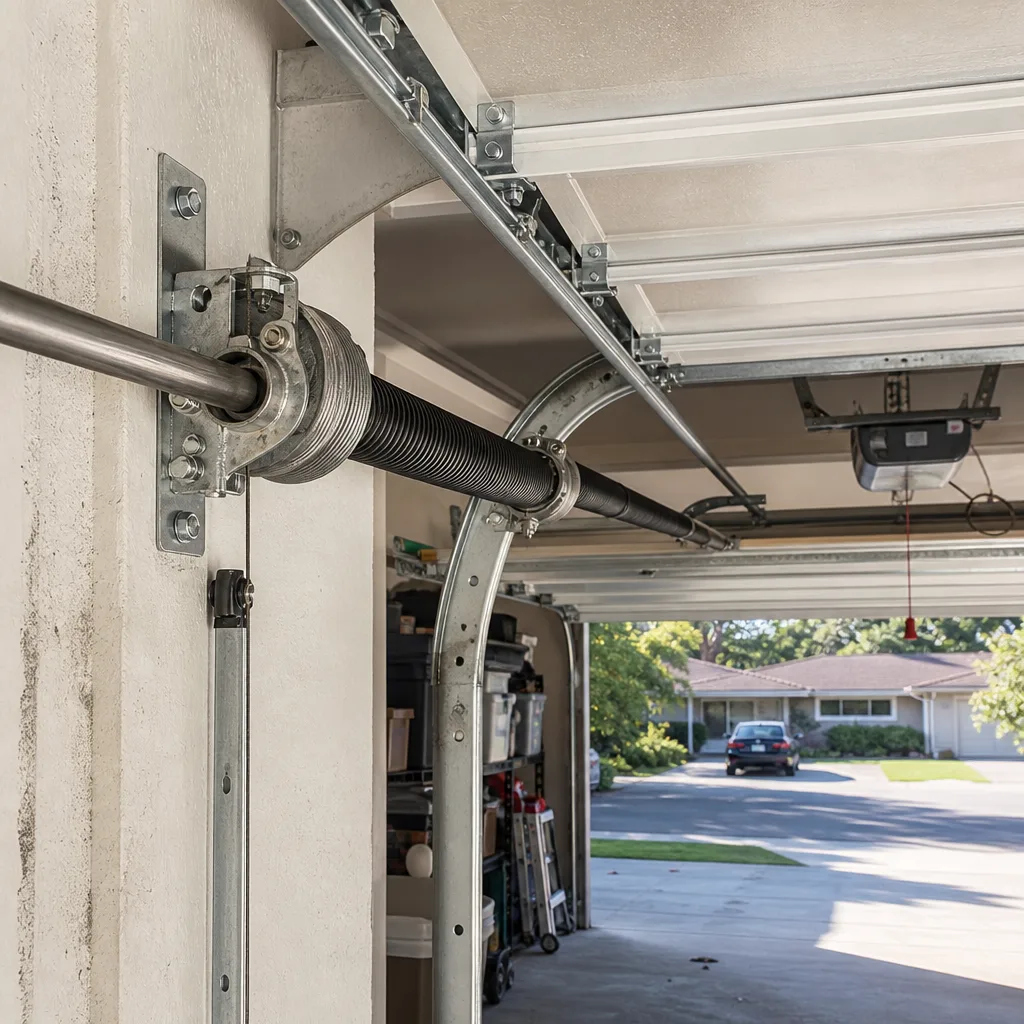 After
After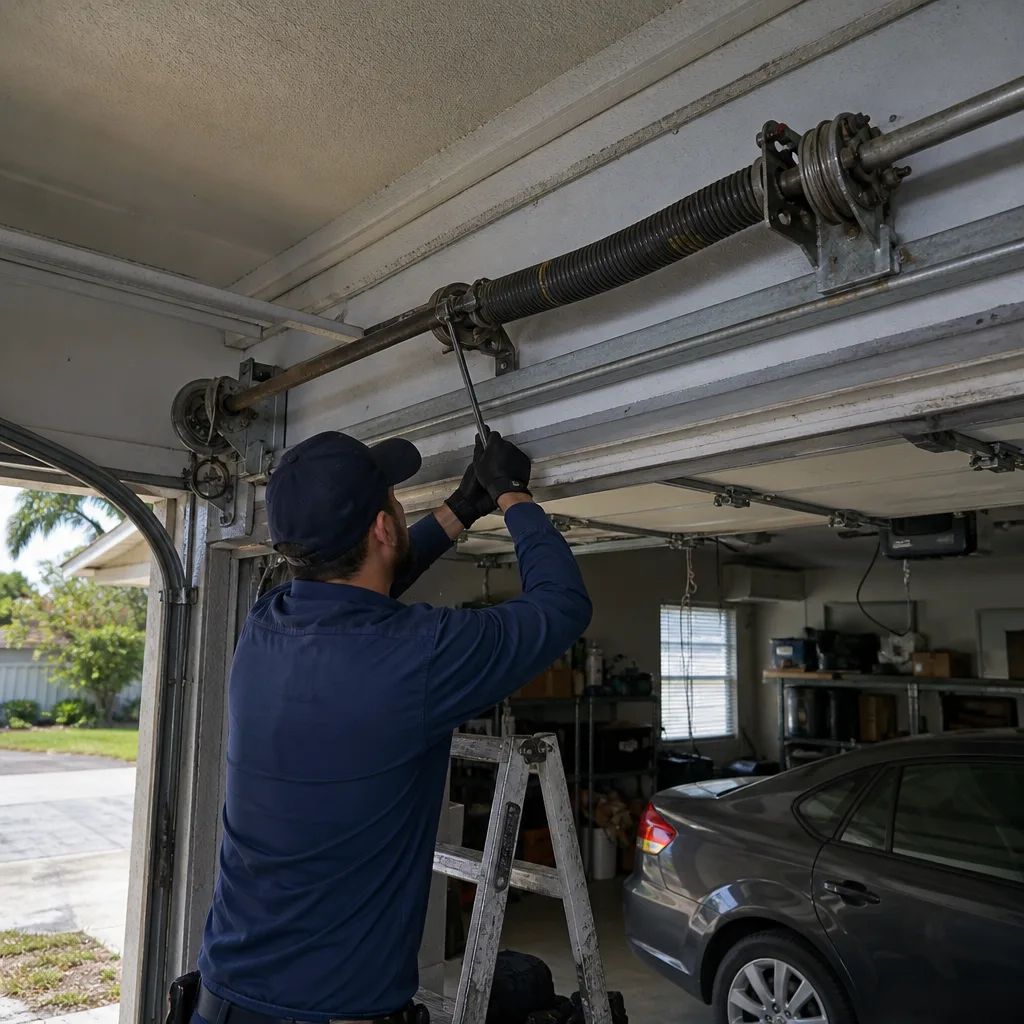 Before
 After
After Before
 After
After