
Last updated October 16, 2026
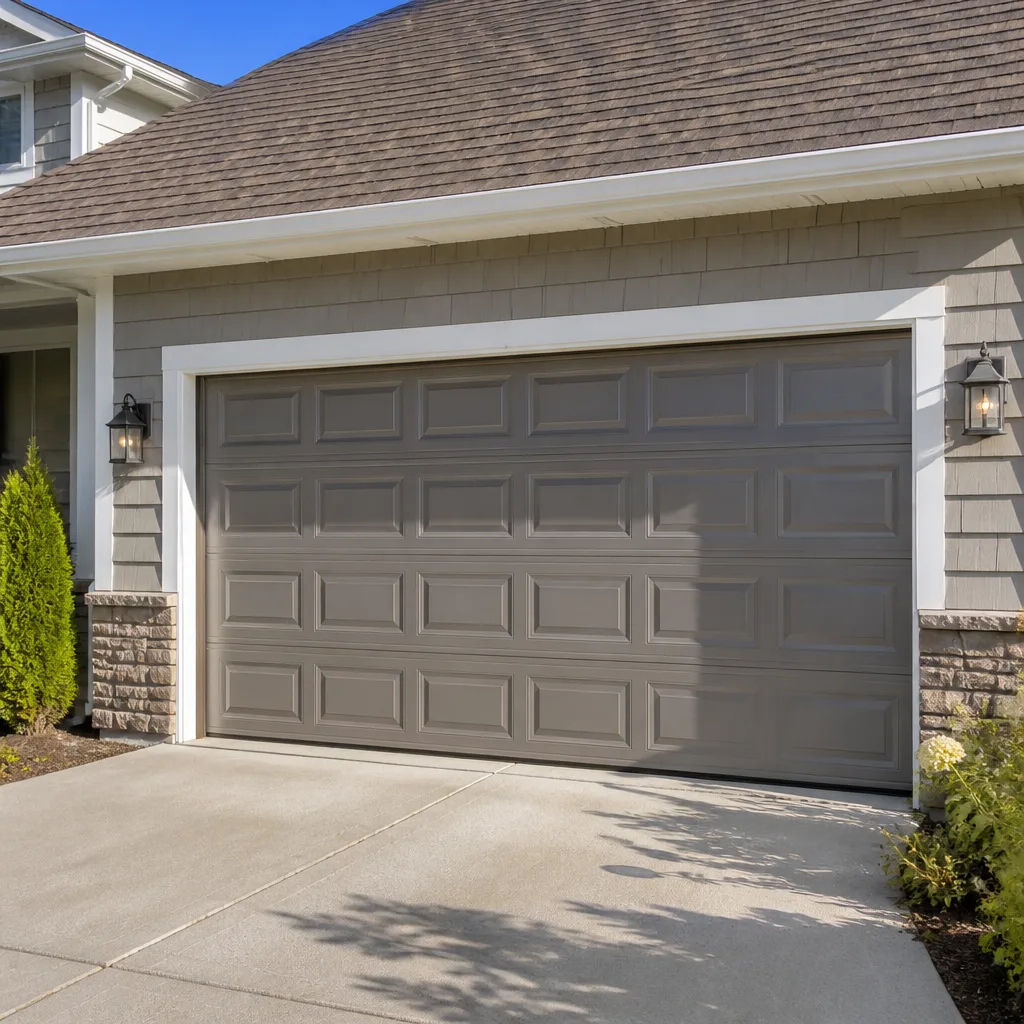 Raised-panel steel
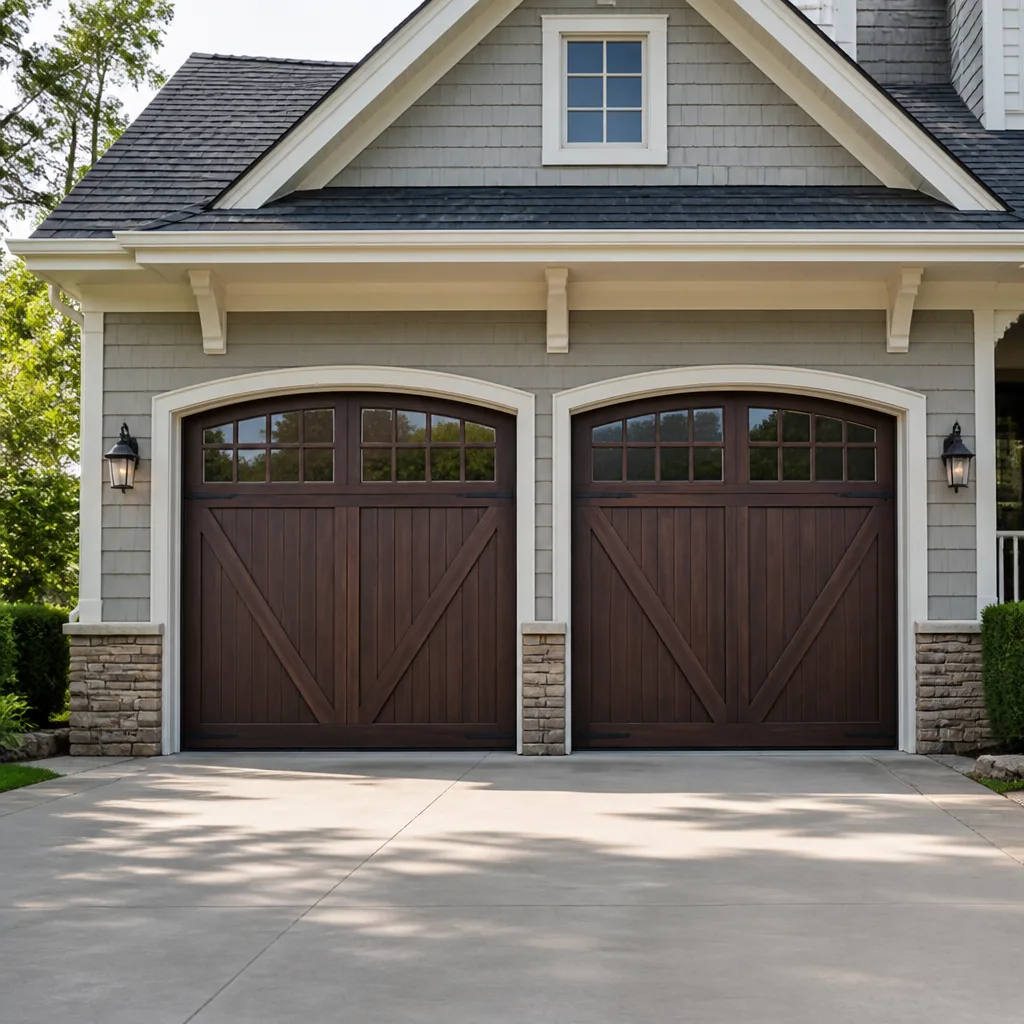 Carriage house
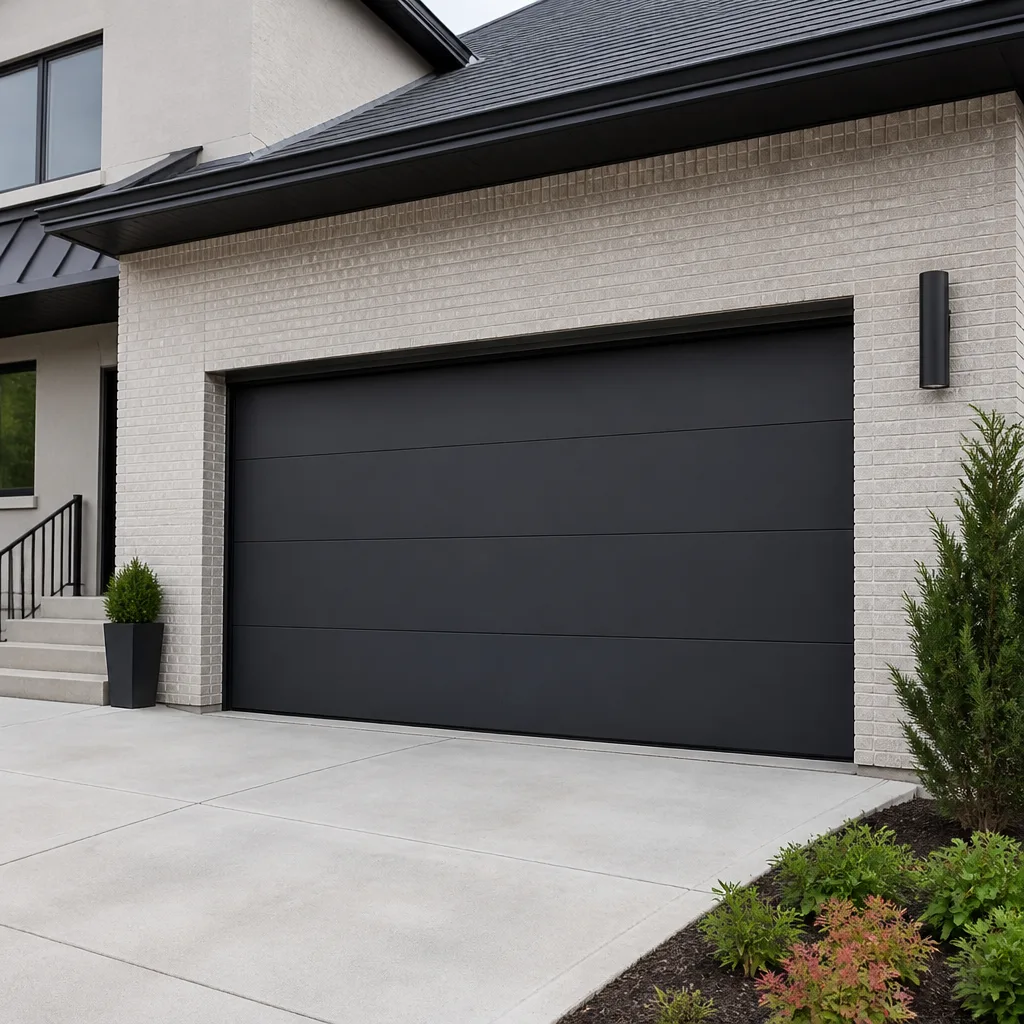 Modern flush
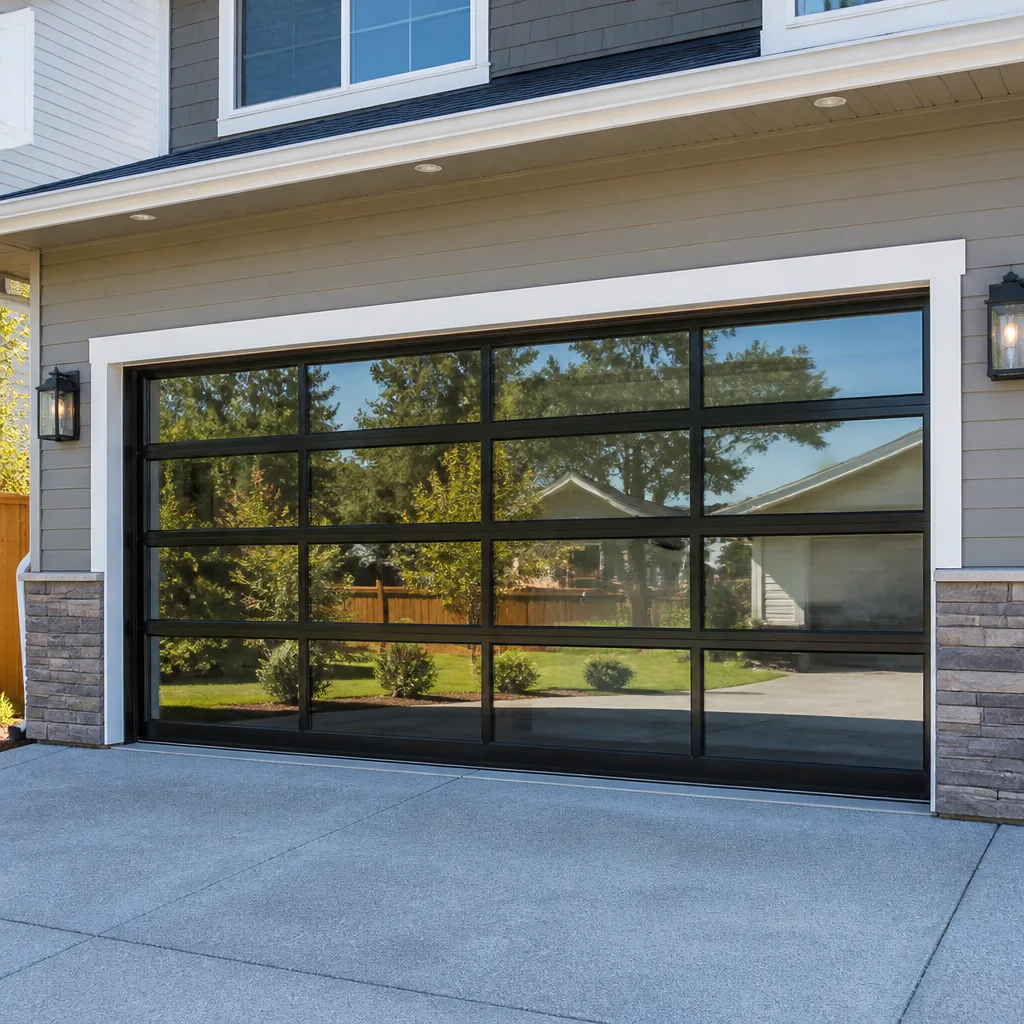 Full-view glass
 LiftMaster openers
 Chamberlain openers
Full 25-point door and opener safety check with every visit - springs, cables, rollers, tracks, and your LiftMaster or Chamberlain opener included
You get a price before we start. It does not change when the truck arrives.
Get your free estimateGarage Door Permits, Codes & Inspections in FL: What You Need to Know
Here’s the number most Miami homeowners never hear until it’s too late: a garage door replacement done without a permit can void a hurricane damage claim, stall a home sale at inspection, and force a full tear-out at your expense. The permit itself runs roughly $75 to $150 in most Florida municipalities. The consequences of skipping it routinely run into the thousands. This guide walks through exactly when Florida requires a garage door permit, how Miami-Dade’s rules stack on top of state code, what inspectors actually check, and the step-by-step path to fix an unpermitted door you inherited from a previous owner. For more guides & resources, visit our blog.
Styles & brands we work with
Quick Answer
In Florida, any new garage door installation or structural modification to the opening requires a building permit, and in Miami-Dade County that door must carry a Miami-Dade Product Approval (NOA) proving it can handle your property’s specific wind zone. Repair work like spring replacement or opener swaps generally does not require a permit. Skipping the permit on a replacement saves $75 to $150 up front but can trigger a failed home inspection at sale, a denied insurance claim after a storm, and a retroactive permit process that costs significantly more.
Table of Contents
- When a Florida Garage Door Permit Is Required (and When It Isn’t)
- Miami-Dade vs. Broward vs. Palm Beach: How the Thresholds Differ
- What a Miami-Dade Product Approval (NOA) Actually Means
- The Inspection Sequence: Rough-In, Final, and Structural
- How an Unpermitted Door Affects Your Florida Insurance Policy
- Bought a Home with an Unpermitted Door? The Retroactive Permit Process
- What Permits, NOA Doors, and Inspections Cost in South Florida
- Common Mistakes to Avoid
- When to Call a Professional
- Frequently Asked Questions
- The Bottom Line
When a Florida Garage Door Permit Is Required (and When It Isn’t)
Florida Building Code treats a garage door as part of the building envelope. That means any replacement that changes the door’s structural characteristics, wind load rating, or physical footprint triggers a permit. Here’s the plain-language breakdown.
A permit is required when you are replacing the entire door assembly, installing a door in a new opening or widening an existing opening, or switching from a non-impact-rated door to an impact-rated door in a wind-borne debris region. A permit is generally not required for replacing torsion springs, swapping out a garage door opener, replacing rollers, hinges, or cables, or changing weatherstripping and seals.
The logic is simple: repairs restore function. Replacements change the structure. And in a hurricane zone, structure is a life-safety matter. We’ve had Miami homeowners call us after being told by a contractor that “nobody pulls permits for garage doors down here.” That statement is not true, it exposes the homeowner to liability, and it’s exactly the kind of shortcut that surfaces years later when a home inspector flags the door during a sale. If you’re unsure whether your door is showing problems, our Garage Door Warning Signs: A Miami Homeowner’s Reference Guide can help you spot issues early.
Our team handles Garage Door Installation in Miami work regularly, and permits are part of every full replacement quote we write. The fee is a line item. The protection lasts as long as you own the home.
Miami-Dade vs. Broward vs. Palm Beach: How the Thresholds Differ
Florida’s three largest counties do not treat garage door permits identically. Miami-Dade is the strictest by a wide margin, and the difference comes down to the county’s post-Hurricane Andrew building code overhaul. Here’s how each county’s threshold works in practice.
Miami-Dade County: A permit is required for any full door replacement, any change in door size, and any alteration to the opening structure. The door must carry a Miami-Dade Product Approval (NOA) or a Florida Product Approval (FPA) that has been validated for Miami-Dade. The county maintains its own product approval database, and if the door is not in it, the permit will not move. No exceptions for “same size” replacements.
Broward County: Broward requires a permit for full replacements as well, but the product approval standard is the statewide Florida Product Approval (FPA) rather than the stricter Miami-Dade NOA. Municipalities like Fort Lauderdale and Hollywood enforce this through their local building departments. The permit is simpler, but the requirement is not optional.
Palm Beach County: Palm Beach requires permits for replacements, though enforcement has historically been more inconsistent in unincorporated areas. Coastal municipalities like Boca Raton and Jupiter enforce more aggressively than western communities. Even so, the Florida Building Code applies countywide, and an unpermitted door creates the same insurance and resale exposure.
The pattern we see from working across all three counties: Miami-Dade rejection rates on permit applications run highest because the NOA documentation requirement is unfamiliar to out-of-state and low-budget contractors. A contractor who prices a door cheaply and “handles it under the table” is often one who could not get the paperwork approved in the first place. Our Bramwell Garage Doors Miami home team pulls Miami-Dade permits as standard practice on every full replacement.
What a Miami-Dade Product Approval (NOA) Actually Means
A Miami-Dade Product Approval, called an NOA (Notice of Acceptance), is an independent engineering certification proving that a specific garage door model can withstand the wind pressure for a specific geographic zone without failing. It is not a brand badge or a marketing sticker. It is a document on file with the county that the permit reviewer checks before approving your application.
Here’s how it works in plain terms. An engineering firm tests the door under simulated hurricane wind loads. The test measures whether the door stays in its tracks, whether the panels deflect beyond allowable limits, and whether the mounting hardware holds to the wall. The result is a report tied to a specific manufacturer, a specific model, and a specific wind zone. When your contractor submits a permit for your Miami address, the county cross-references the door model against the NOA database for your wind zone. No match, no permit.
This matters because Miami-Dade is divided into wind zones that are not intuitive to homeowners. A home two miles from Biscayne Bay may be in a higher wind zone than a home ten miles inland, and the door that passes in West Kendall may not pass in Coconut Grove. Brands like Clopay and Amarr carry a broad range of NOA-approved models, but not every model from any brand is approved for every zone. The contractor needs to check, not assume.
Why this gets missed by budget installers: NOA research takes time. A contractor rushing through ten quotes a day may skip the lookup and install a door that was never approved for the house. The homeowner finds out years later when an insurance adjuster denies a claim. We run the NOA check on every Garage Door Installation in Miami we quote. It’s part of the written price, not an upsell.
The Inspection Sequence: Rough-In, Final, and Structural
Once the permit is approved and the work is scheduled, the county inspection process follows a defined sequence. Understanding what the inspector checks at each stage removes the mystery and helps homeowners spot a contractor cutting corners.
- Rough-in inspection: The inspector checks the opening before the new door is installed. They verify the header condition, the mounting surface integrity, and whether the opening dimensions match what the permit application stated. In some Miami-Dade municipalities, this inspection also confirms that any hurricane strap or reinforcement requirements are in place from the original construction. If the rough-in fails, the door cannot go up until corrections are made.
- Final inspection: After installation, the inspector verifies that the installed door matches the approved permit documents and NOA. They check that the door operates properly, that the pressure-treated mounting points are correct, and that the wind load rating on the installed door matches the requirement for the property. This is the inspection that closes the permit.
- Structural inspection (case-specific): If the installation involved modifying the opening, adding a header beam, or resizing the rough opening, a structural inspection may be required. This is more common when a homeowner is converting a carport to a garage or widening a single bay to a double bay. The inspector checks the engineered framing and connections before the rough-in can proceed.
In Miami, the final inspection is the one homeowners sometimes miss on unpermitted jobs. A contractor installs the door, it looks fine, the homeowner pays, and no one ever schedules an inspection because no permit was pulled. The door functions fine for years. Then the home goes under contract, the inspector checks county records, and the missing permit surfaces. The repair cost at that point is not $150. It’s the retroactive process plus whatever corrections the current code requires. Staying on top of regular maintenance can prevent bigger headaches-see our Garage Door Repair Maintenance Checklist for Miami Homeowners.
How an Unpermitted Door Affects Your Florida Insurance Policy
Florida insurers, including Citizens Property Insurance, have specific language about unpermitted work. The practical effect is that an unpermitted garage door replacement can be treated as a modification to the insured structure that was not disclosed and not completed to code. That creates exposure in two specific scenarios.
First, storm damage claims. If a hurricane damages your garage door and the adjuster discovers the door was replaced without a permit, the insurer may deny the claim on the basis that the unpermitted modification contributed to the failure. This is not theoretical. After Hurricane Irma, Miami-Dade homeowners reported claim denials where unpermitted doors were documented during the post-storm inspection. The door fails, the insurer asks for the permit, and there is no permit to produce.
Second, policy underwriting. Florida homeowners are required to disclose unpermitted work when applying for or renewing coverage in most cases. Failing to disclose an unpermitted door can void the policy entirely if a claim is later filed. Citizens has tightened this language repeatedly since the 2022 reform legislation, and private carriers have followed. The $150 permit becomes the cheapest insurance policy you will ever buy against a $10,000 denied claim.
There is also a subtler issue: even when a claim is not denied outright, an unpermitted door often triggers a “code upgrade” requirement. The insurer pays only the depreciated value of the old door, not the cost of bringing the replacement up to current code. That gap can be $1,500 or more on a Miami home in a high wind zone.
Bought a Home with an Unpermitted Door? The Retroactive Permit Process
This is one of the most common calls we receive. A Miami homeowner buys a house, loves it, and then discovers during a refinance or resale that the previous owner replaced the garage door without a permit. The home inspector did not flag it because they do not pull county permit records as a standard practice. Now the buyer owns the problem. Here is the Miami-Dade retroactive permit process, step by step.
- Document what exists: Photograph the door, find the manufacturer label and model number if possible, and note the approximate installation date. If you have the closing documents or seller disclosures, review them for any mention of the door replacement.
- Check the NOA database: Miami-Dade’s product approval database is public. Search the model number to see whether the door carries an active NOA for your wind zone. If it does not, you will likely need to replace the door with an approved model before the permit can close.
- Pull the property record: Request the permit history for your address from the Miami-Dade Building Department. Confirm whether a permit was truly never pulled. On rare occasions, the permit exists but was never closed because the final inspection was not called in. If that is the case, you may only need to schedule the final inspection and pay a reinstatement fee.
- Submit the retrofit permit application: If no permit exists, a licensed contractor files a retrofit permit application with the door details and NOA documentation attached. The county reviews it as if the door is being installed today, which means the door must meet current code, not the code in effect when it was installed.
- Schedule the inspection: The county inspects the installed door for compliance with the approved application. If the door passes, the permit is closed and the property record is clean. If it fails, corrections are required before the permit can close.
- Disclose the resolution: Once the permit is closed, keep the documentation. You will need it for insurance renewal, resale disclosure, and any future refinance.
The entire process typically takes 2 to 6 weeks in Miami-Dade, depending on county workload and whether the existing door requires replacement. Retroactive permit fees are often higher than original permit fees because the county treats them as “after the fact” applications, and some municipalities add a penalty multiplier. It’s not a fun process, but it is solvable.
What Permits, NOA Doors, and Inspections Cost in South Florida
Homeowners are understandably wary of vague pricing. Here is what the numbers look like in Miami-Dade, Broward, and Palm Beach as of early 2026. These are the fees and door ranges we quote from, and they are consistent with what our Garage Door Repair in Miami customers see on written estimates.
- Building permit (garage door replacement): $75 to $150 in most Miami-Dade municipalities, $60 to $120 in Broward, and $50 to $110 in Palm Beach, depending on the specific city or unincorporated county fee schedule.
- Retroactive “after the fact” permit: Typically double the standard fee, so $150 to $300 in Miami-Dade, plus a possible administrative penalty.
- NOA-approved single garage door (16×7, impact-rated): $1,800 to $3,400 installed with permit, depending on brand and wind zone requirements. Non-impact NOA doors run $1,200 to $2,200.
- NOA-approved double garage door (16×7): $2,600 to $4,800 installed with permit.
- Inspection fees: Usually bundled into the permit fee in South Florida; some municipalities charge a separate re-inspection fee of $75 to $150 if a correction is needed.
And the comparison that matters most: the permit costs less than the sales tax on the door. Skipping it is not saving money. It is deferring a much larger bill into the future, at the worst possible time.
Common Mistakes to Avoid
- Believing “same size replacement” needs no permit: In Miami-Dade, a same-size replacement still requires a permit and NOA verification. The “same size means no permit” line is repeated by contractors who want to skip paperwork, and it is wrong.
- Accepting a door without checking the NOA: A door that looks identical to an approved model may not be the approved model. Just because the brand carries Miami-Dade approvals does not mean that specific model is approved for your specific wind zone.
- Paying the full balance before the final inspection: Unpermitted contractors almost never schedule final inspections because they never pulled permits. Hold final payment until you see the closed permit. This is standard practice for any legitimate South Florida installer.
- Assuming a home inspector checks permits: Most residential home inspectors evaluate the physical condition of the door, not the county permit record. The missing permit surfaces later, usually in the title review or property insurance underwriting.
- Ignoring the wind zone requirement: Miami-Dade wind zones vary by location, and they are not something a homeowner can accurately guess. Installing a lower-rated door in a high wind zone is a code violation even if a permit was pulled, because the submitted documents will not match the requirement.
- Ordering a door online and hiring a handyman: The handyman can install it, but if there is no NOA documentation and no permit, the liability lands on the homeowner. The county does not care who did the work. The property owner owns the violation.
When to Call a Professional
Any full door replacement in Miami should involve a contractor who handles permits as standard practice. Not sure how to vet one? Read our How to Hire a Garage Door Contractor in Miami: A Step-by-Step Guide. You should also call a professional if you are buying or selling a home and need the permit history verified, if an insurance adjuster has raised questions about the door, or if you inherited an unpermitted door and need the retrofit process handled correctly the first time. Spring work is different: a broken torsion spring is a repair, not a replacement, and it does not require a permit, but it is also under enough tension to cause serious injury and belongs in trained hands. Bramwell Garage Doors Miami offers free estimates throughout Miami, and every written estimate includes the permit line item clearly stated, before any work starts. Call (850) 673-0645 with your address and we’ll check the NOA and permit requirements for your specific property.
Frequently Asked Questions
Yes, in nearly all Florida jurisdictions, replacing an entire garage door requires a building permit because the door is part of the building envelope and must meet current wind load requirements. Spring repairs, opener replacements, and track adjustments do not require permits. Call (850) 673-0645 and we’ll confirm the exact requirement for your Miami property.
A garage door replacement permit in Miami-Dade typically costs $75 to $150, though some municipalities add a small processing fee. The permit is a line item on any quote we write in Miami, and the price is agreed before work begins.
You risk a failed home inspection at sale, a denied or reduced insurance claim after a storm, and a retroactive permit process that costs roughly double the original fee plus any corrections required to meet current code. The retroactive process in Miami-Dade takes 2 to 6 weeks and may require replacing the door entirely if it lacks a valid NOA.
A Miami-Dade NOA, or Notice of Acceptance, is an independent engineering certification proving a specific door model can withstand the wind load for a specific Miami-Dade wind zone. The permit office checks the NOA database before approving any replacement, and an unapproved door means the permit will not move forward.
No, torsion and extension spring replacement is classified as repair work and does not require a permit in Miami or anywhere in Florida. It does, however, involve components under extreme tension, and it should be handled by a trained technician with the right tools. Our Garage Door Spring Repair in Miami service handles these daily, and most are completed the same day.
You can list the house, but the unpermitted door is likely to surface during title review or the buyer’s insurance underwriting, and the sale may stall until the retroactive permit is resolved. Closing the permit before listing is dramatically cheaper and faster than fixing it under contract deadlines. Call (850) 673-0645 for a written assessment of what your specific situation requires.
The Bottom Line
Florida’s garage door permit rules exist because a garage door is a storm barrier, not just an entry point. In Miami-Dade, that means a permit and a wind-approved NOA door are mandatory on every full replacement, and skipping either one shifts the financial risk onto the homeowner. The permit costs under $150. The NOA door may add a few hundred dollars to the door price. Compared to a denied insurance claim, a failed sale, or a county-mandated tear-out, those are the cheapest line items in the entire project. If you’re replacing a door in Miami, get the permit, keep the paperwork, and work with a contractor who treats the process as standard practice, not an optional extra.
Written by Marcus Ellery, Owner at Bramwell Garage Doors Miami, serving Miami since 2001.
See the difference
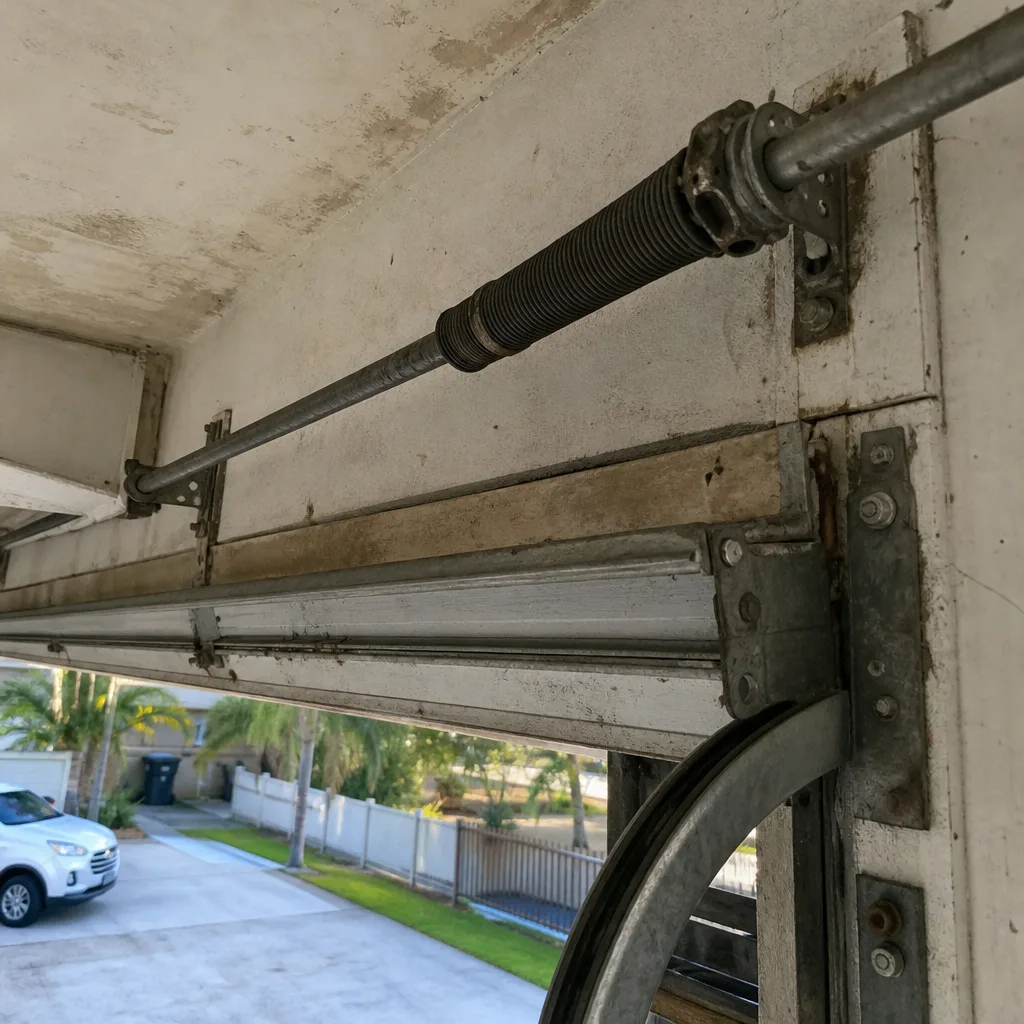 Before
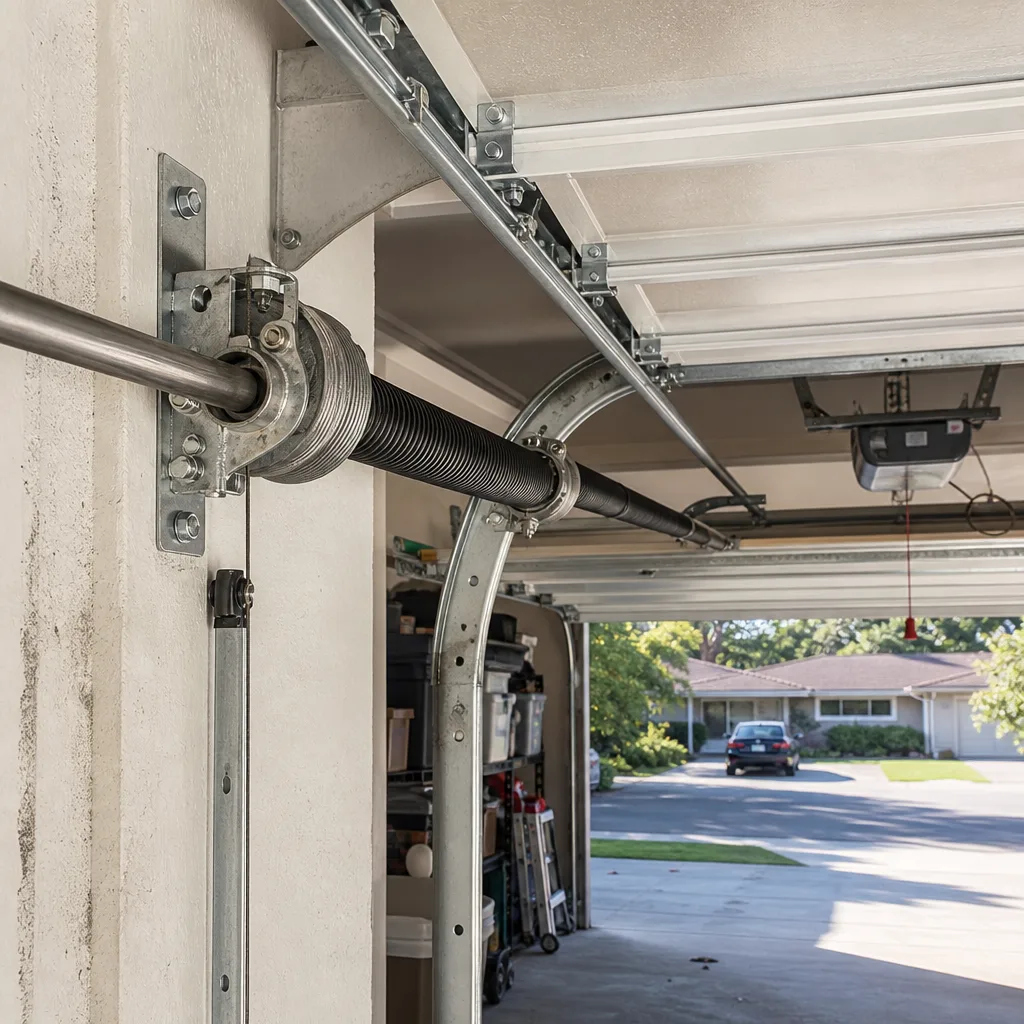 After
After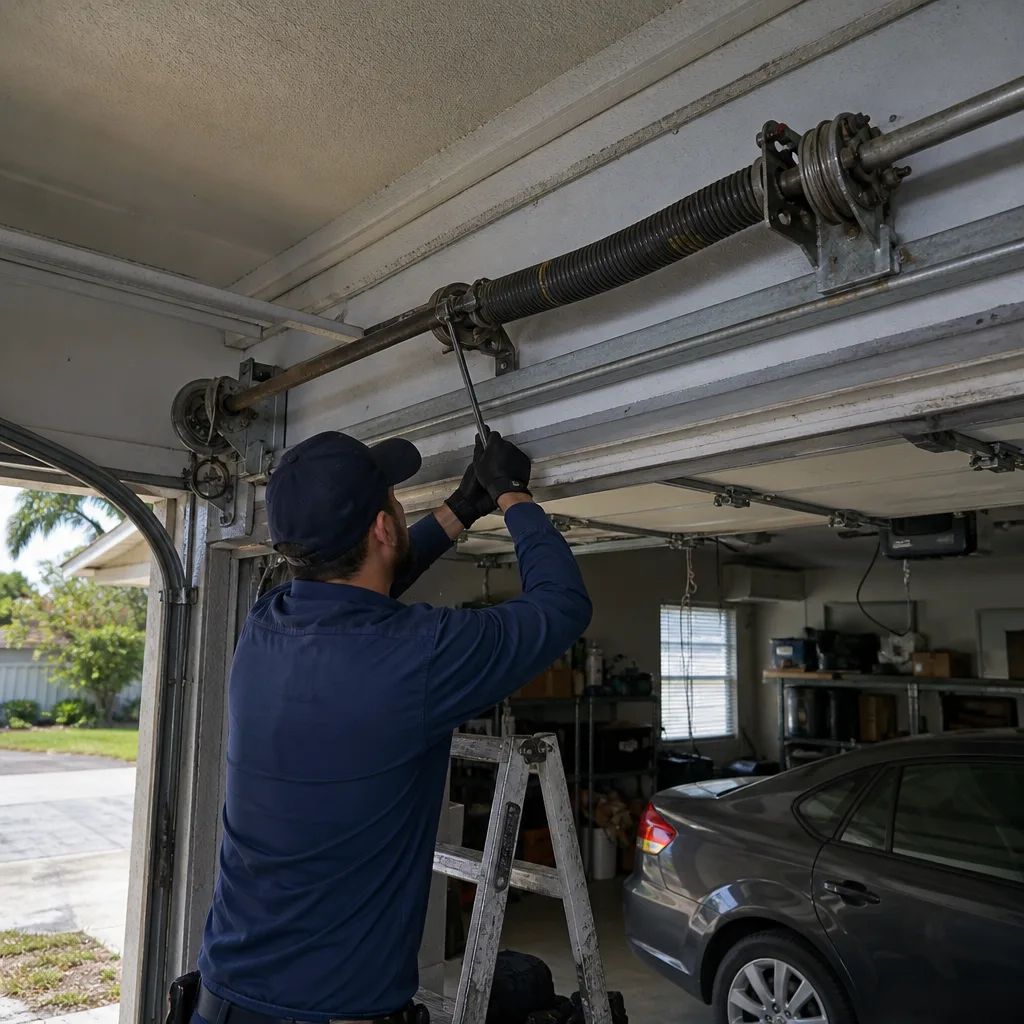 Before
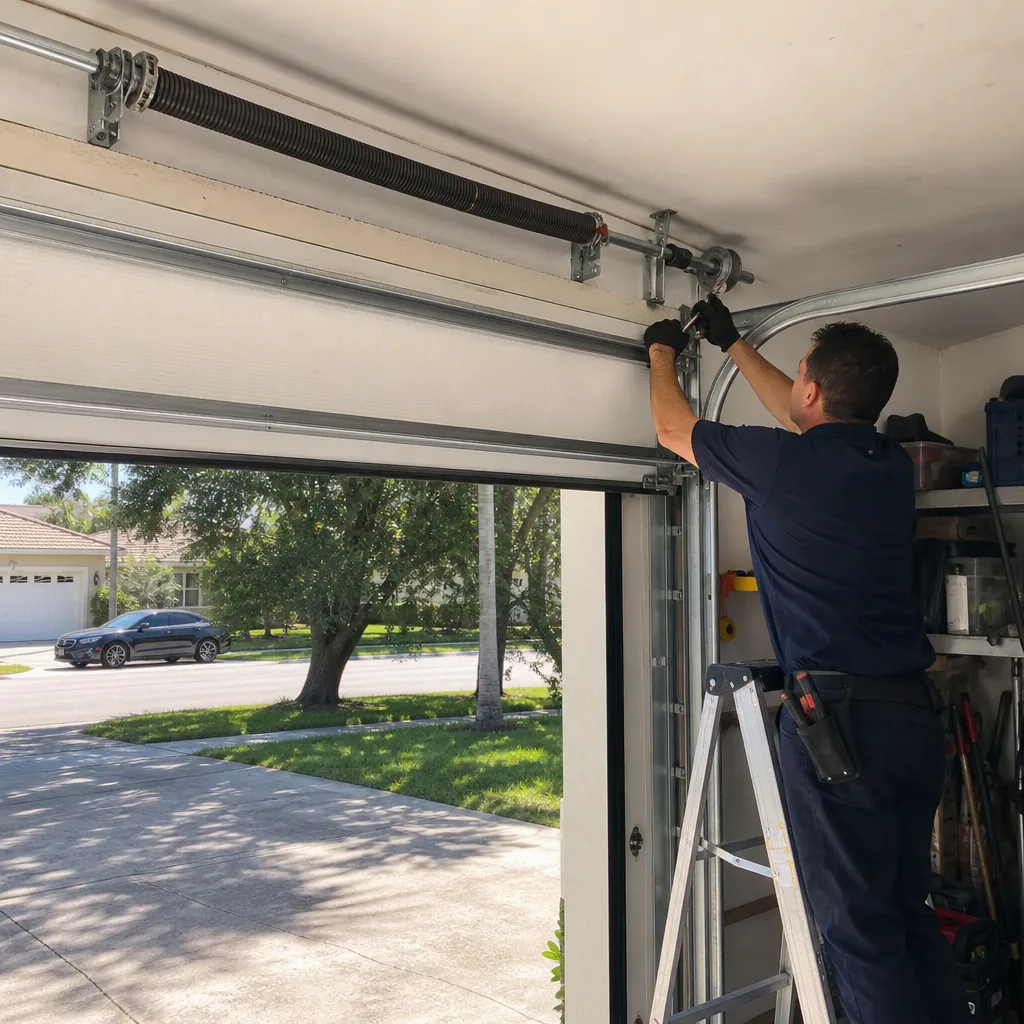 After
After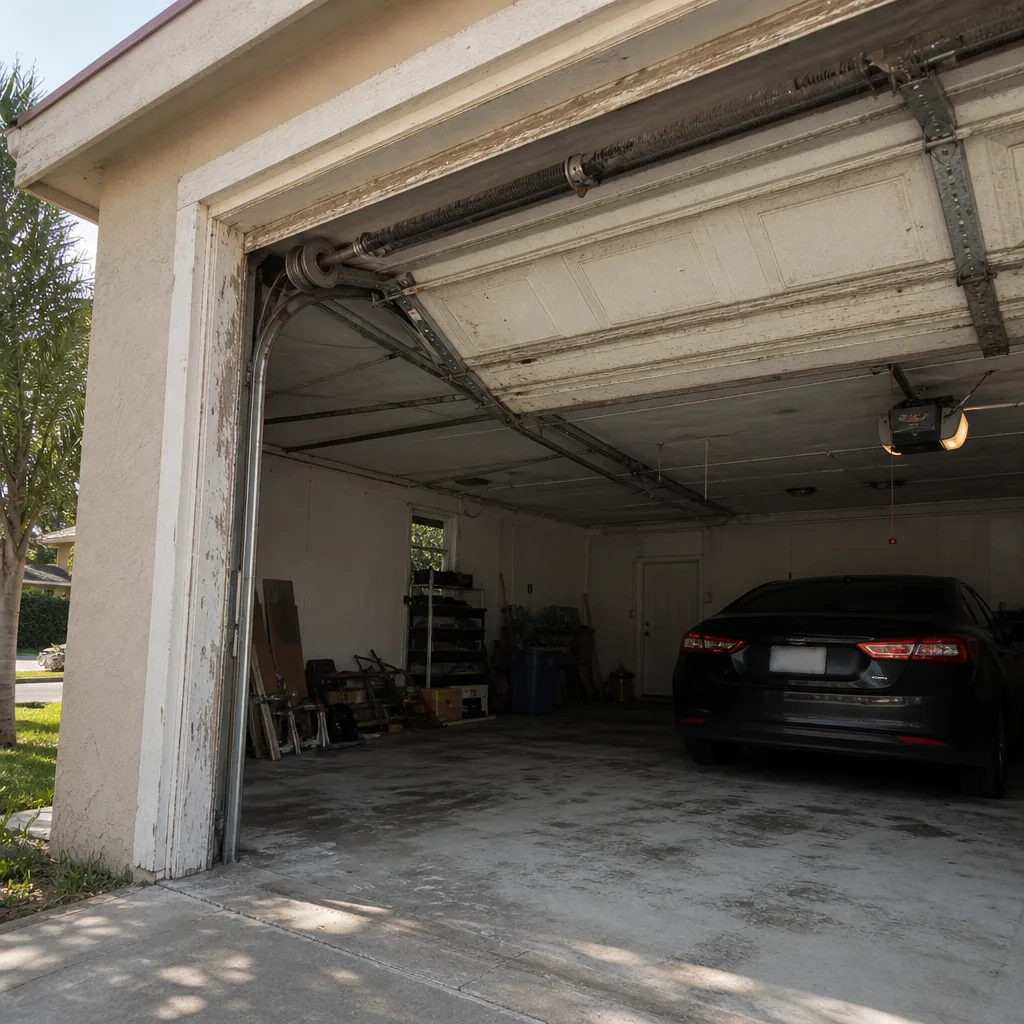 Before
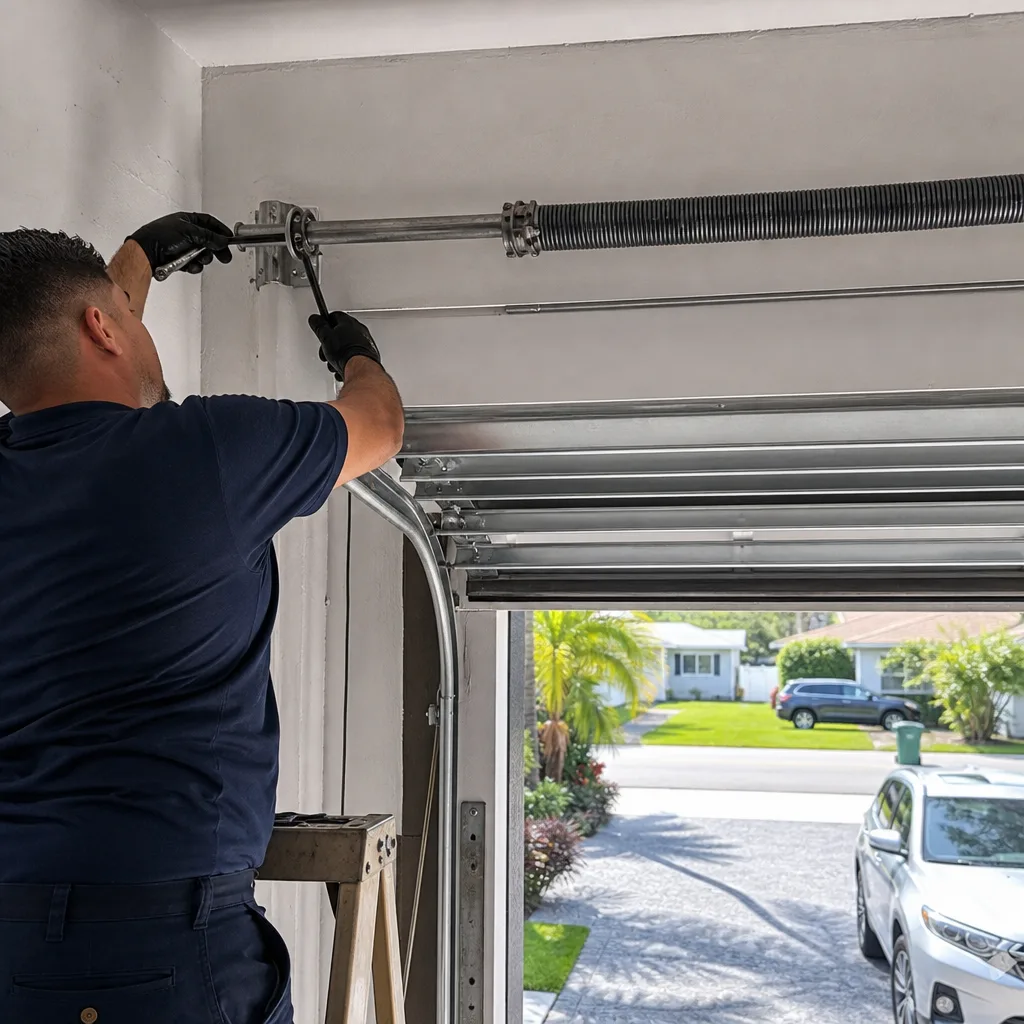 After
After