
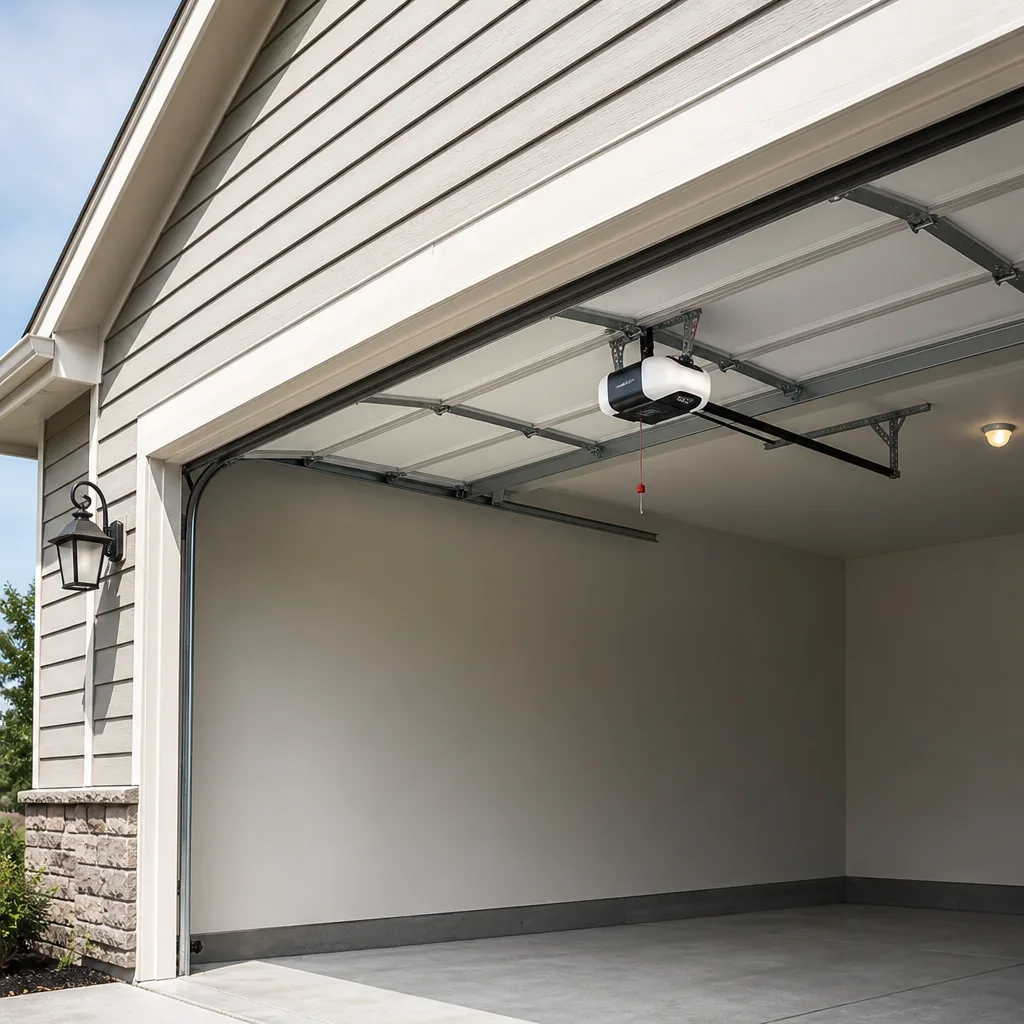
 Chamberlain openers
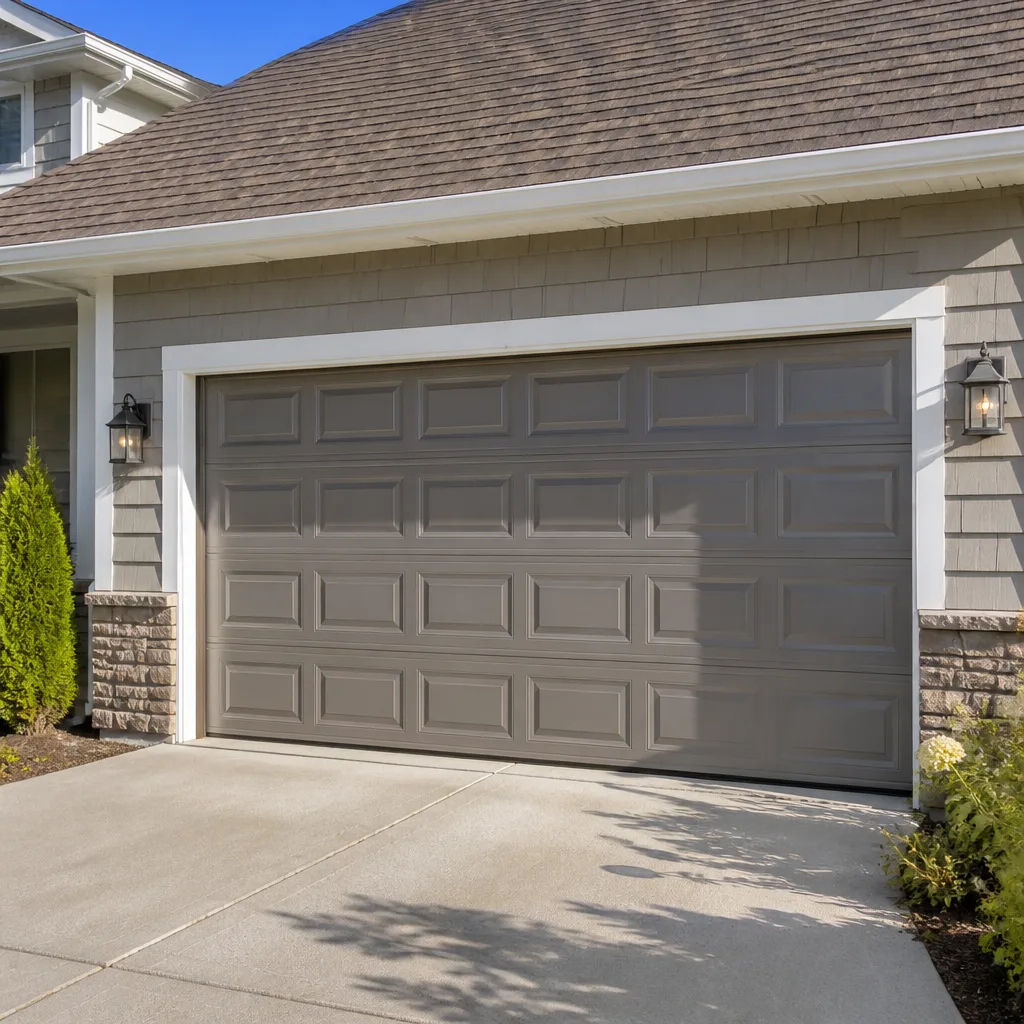 Raised-panel steel
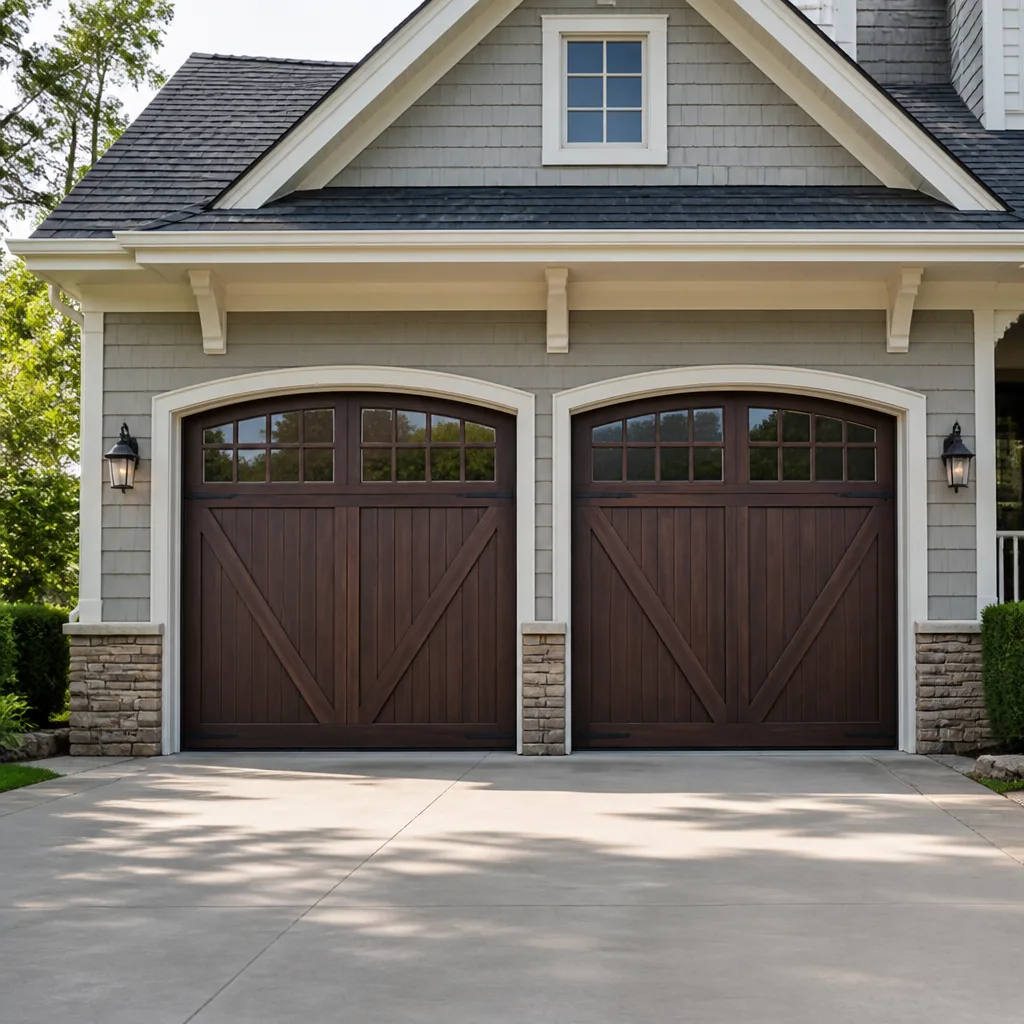 Carriage house
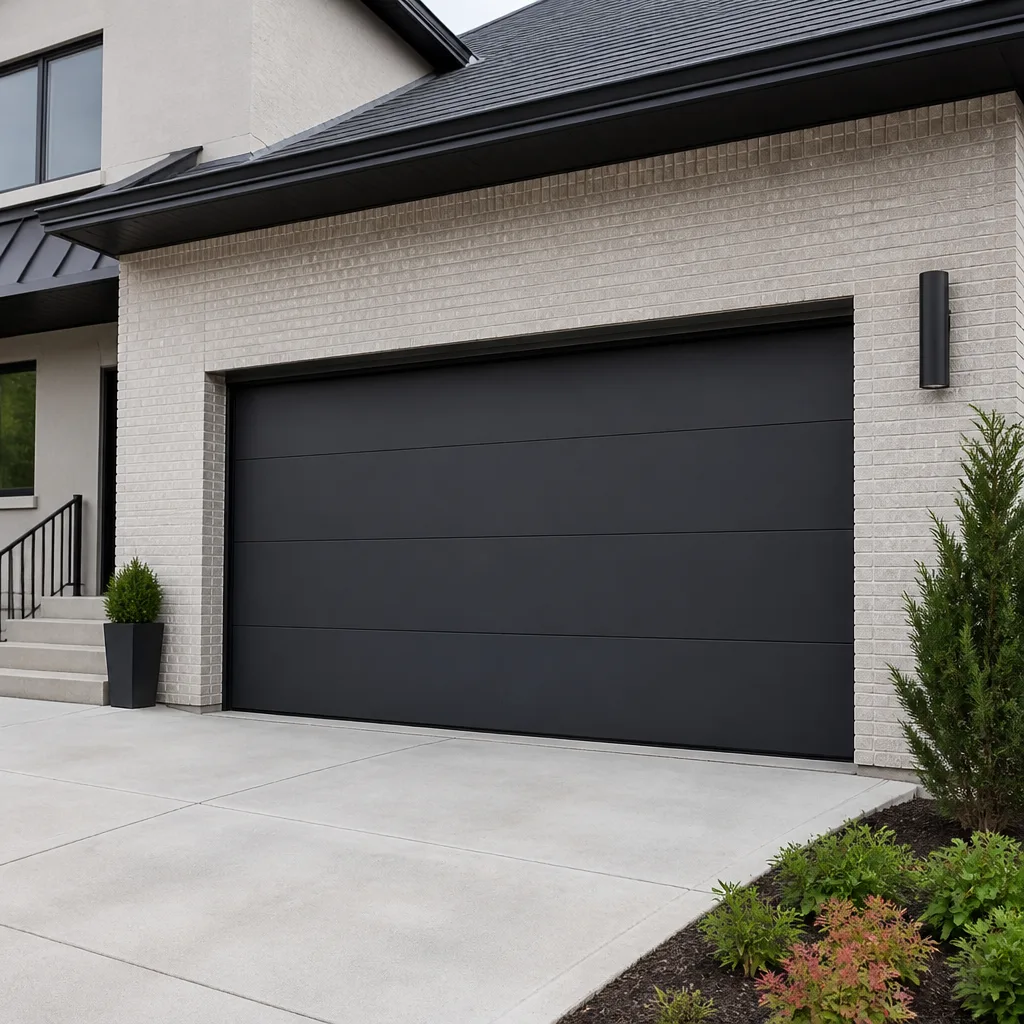 Modern flush
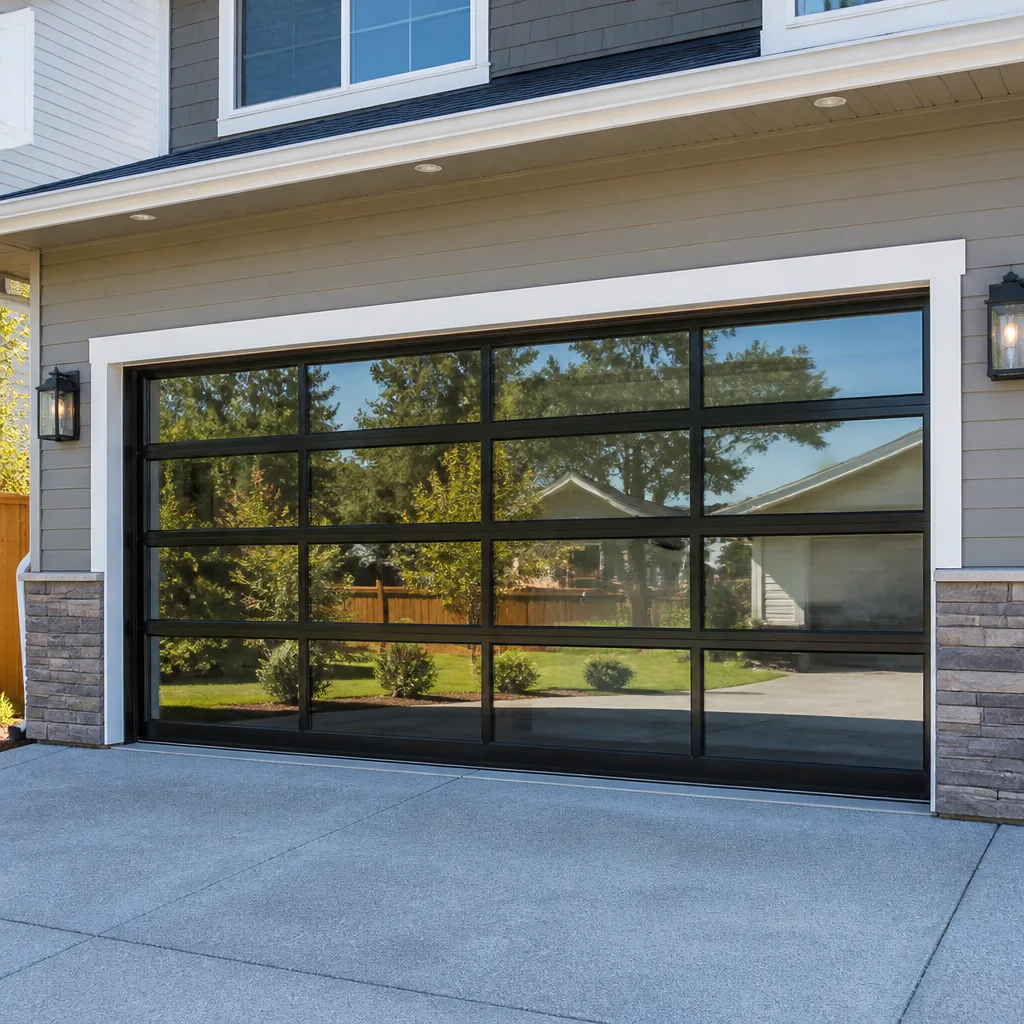 Full-view glass
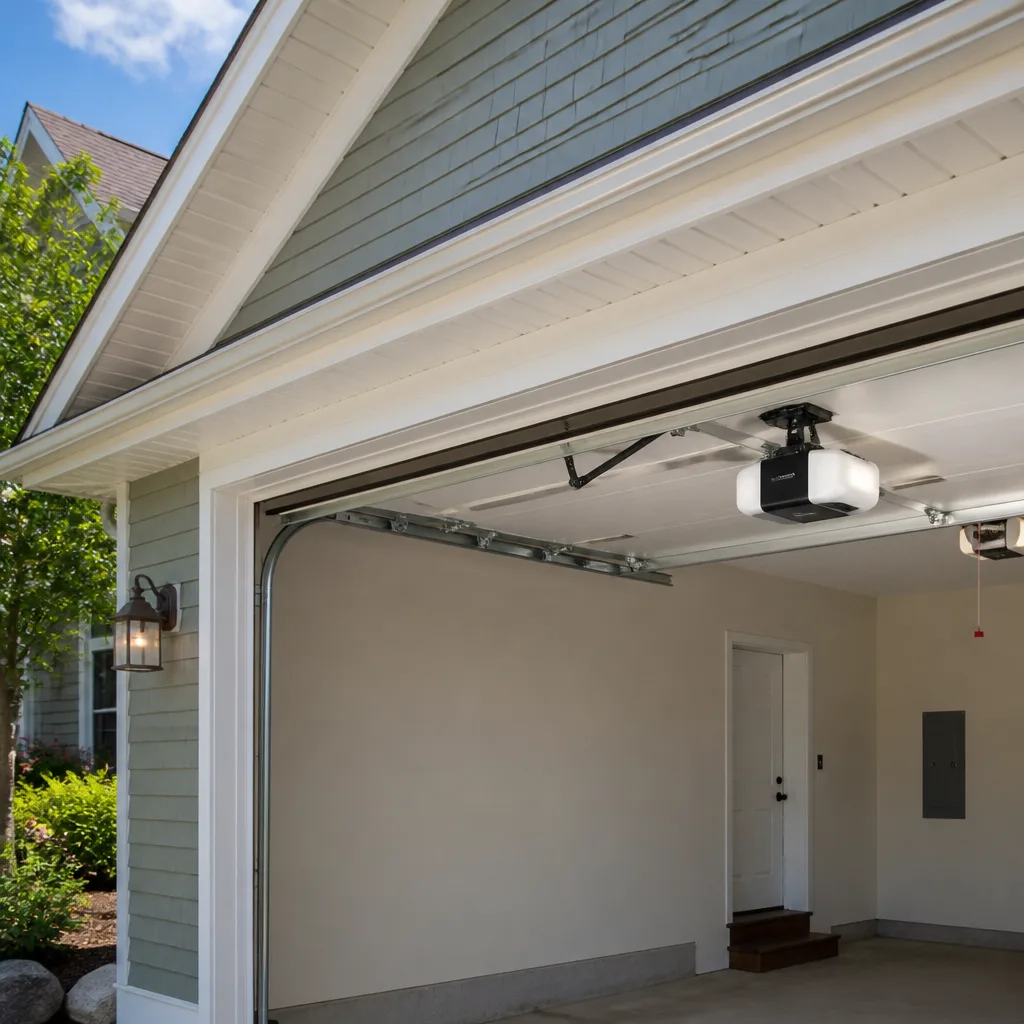 LiftMaster openers
Full 25-point door and opener safety check with every visit - springs, cables, rollers, tracks, and your LiftMaster or Chamberlain opener included
You get a price before we start. It does not change when the truck arrives.
Get your free estimateChamberlain Weather Seal Replacement: The Miami Owner’s Guide
We stock and install Chamberlain-compatible weather seal replacement throughout Miami, with most jobs running $85 – $165 parts and labor included. Same-day service is available in most neighborhoods when you call before noon, and our trucks carry the three most common Chamberlain seal profiles so we can usually swap yours on the first visit. The part you’re looking at is the rubber strip along the bottom of your door – when it cracks, flattens, or pulls away from the aluminum retainer, you find leaves and puddled water inside the garage, a damp spot where the door meets the floor, or a mouse that figured out the gap before you did.
For Chamberlain doors, this seal is a wear item with a pretty predictable failure pattern in South Florida. The sun and salt air in Miami harden the rubber long before it wears out mechanically – we see doors in Coral Gables and Kendall with seals that look like baked licorice at year four, even when the door itself still cycles fine. Marcus Ellery has pulled plenty of bottom seals off Chamberlain doors in Miami Beach where the rubber snapped in half at the corner despite the track and rollers being in good shape. That’s the tell: sun embrittlement at the folded corners lets water in first, then the whole strip starts separating from its metal carrier. The good news is the replacement is straightforward, the parts are moderately priced, and you don’t have to tolerate a wet garage floor while you wait for a “someday” fix.
Which Chamberlain Models This Applies To
Chamberlain is far better known for openers than doors, so the first thing to understand is what we’re actually matching. If your garage door itself carries the Chamberlain nameplate, it is typically a mid-2000s to mid-2010s door that used one of three bottom seal configurations. The most common is a T-style or bulb seal that slides into a U-shaped aluminum retainer channel along the bottom rail. A second style, seen on some Chamberlain doors installed in the early 2010s, used a snap-in J-channel instead. A third configuration uses a flat seal held by a slotted retainer that can seize with corrosion if you’re within a few miles of the coast.
Here’s the compatibility gotcha that matters in Miami specifically: the retainer is rarely the problem, but the seal has to match the retainer profile, not the door brand. We’ve had homeowners in Pinecrest order a “Chamberlain” seal from an online marketplace and discover it fits a TrackMaster opener chain but has nothing to do with the door bottom. If you call us, we’ll ask you to send us a photo of the end profile of the existing seal and the width of the bottom rail. That single photo tells us more than the model number in most cases. Our trucks leave the shop stocked with four common profiles, and if yours is one of the odd ones, we’ll get the right part by next day. For OEM versus aftermarket, Chamberlain-branded seals are fine but priced at a premium for a nameplate – the aftermarket rubber we install comes from the same EPDM compound class manufacturers supply, and in Miami’s UV conditions, all rubber seals eventually dry out. The material choice matters more than the logo.
Styles & brands we work with
Signs Your Chamberlain Weather Seal Replacement Is Failing
- Daylight under the door at the floor corners. The seal has compressed or cracked at the hinge points where the door sections flex. In Miami, the heat from a south-facing driveway accelerates this – the rubber at the corner takes the most flex and the most sun, so it hardens first and snaps away from the floor.
- Water on the garage floor after a standard afternoon storm. Miami’s summer downpours push water horizontally against the door, and a flattened bottom seal acts like a funnel instead of a dam. This is the number-one call we get about Chamberlain seals in neighborhoods like The Roads and Coconut Grove, where driveways slope toward the garage.
- Tree litter, dirt, or roaches inside the garage. The gap under the door is the main entry point for both South Florida’s flora and its bugs. A torn seal is also how young iguanas get into a garage – you’d be surprised how flat they can squeeze.
- The seal pulls out of the retainer channel when the door opens. The bulb portion catches on a rough floor patch or a slightly crooked section, and because the rubber has lost its elasticity, it yanks free from the aluminum instead of flexing. Sudden detachment like that is a loud, raspy tearing sound you’ll hear mid-cycle.
- Visible cracking along the bottom surface when the door is open. If you can see hairline splits or a chalky, pitted texture, the EPDM has given up. Even if it’s still sealing today, it’s a few weeks from fragmenting. In Miami’s humid season, once the cracks reach the internal profile, you lose the drainage channels and the seal starts holding moisture against your bottom panel – which accelerates rust on the metal carrier.
See the difference
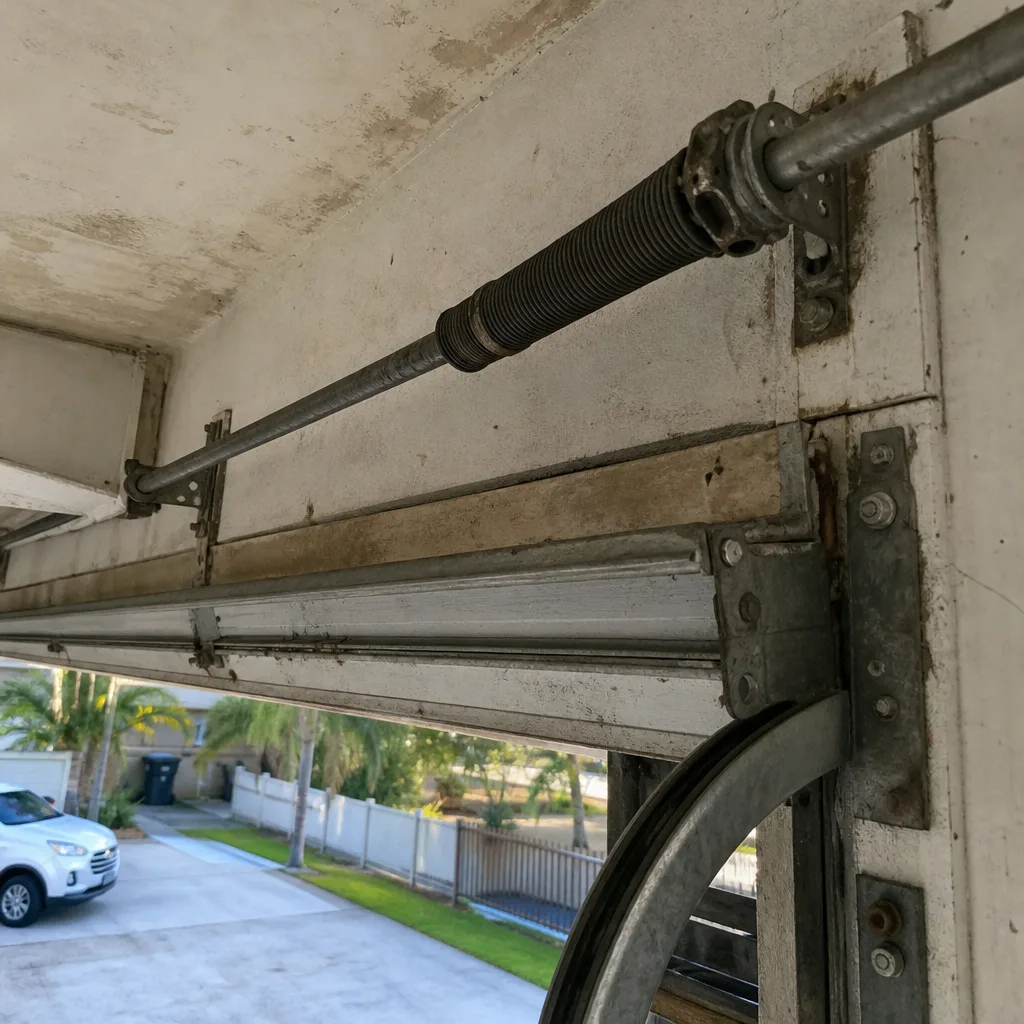 Before
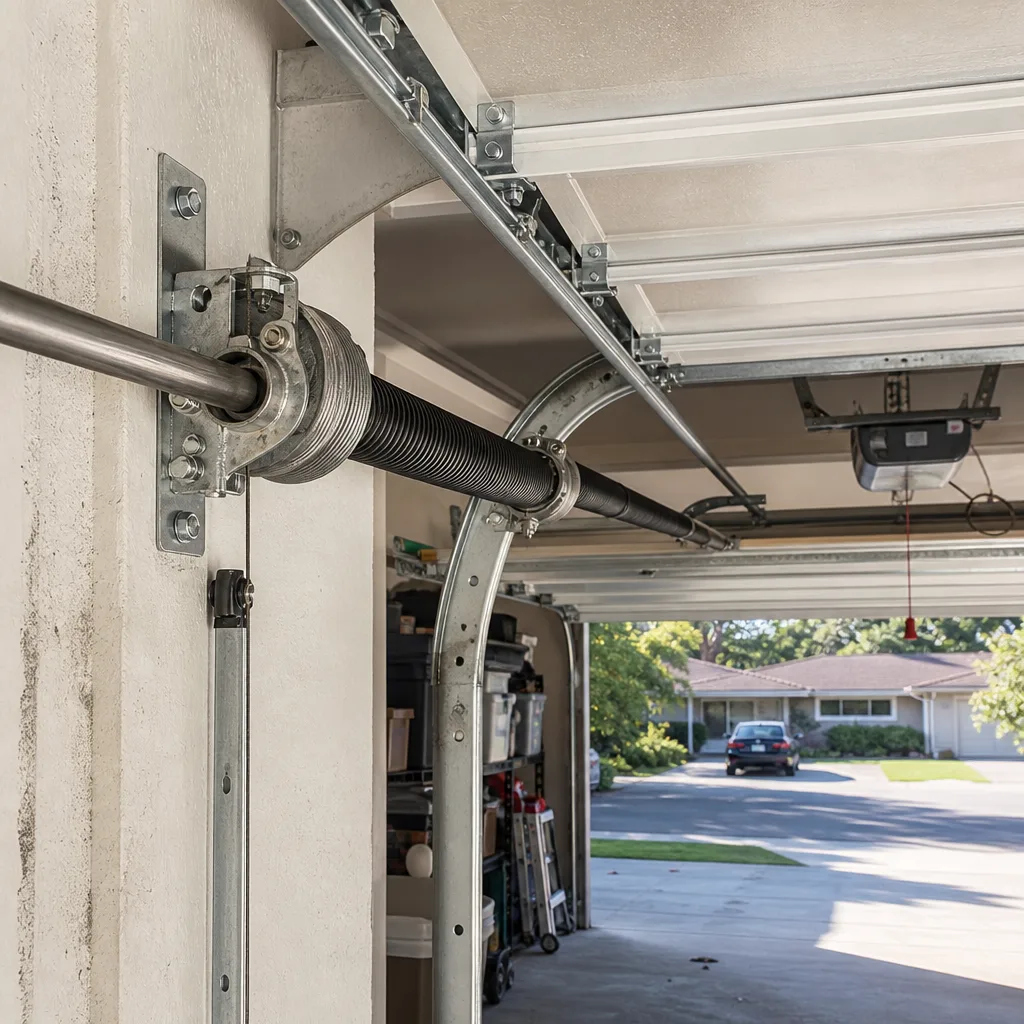 After
After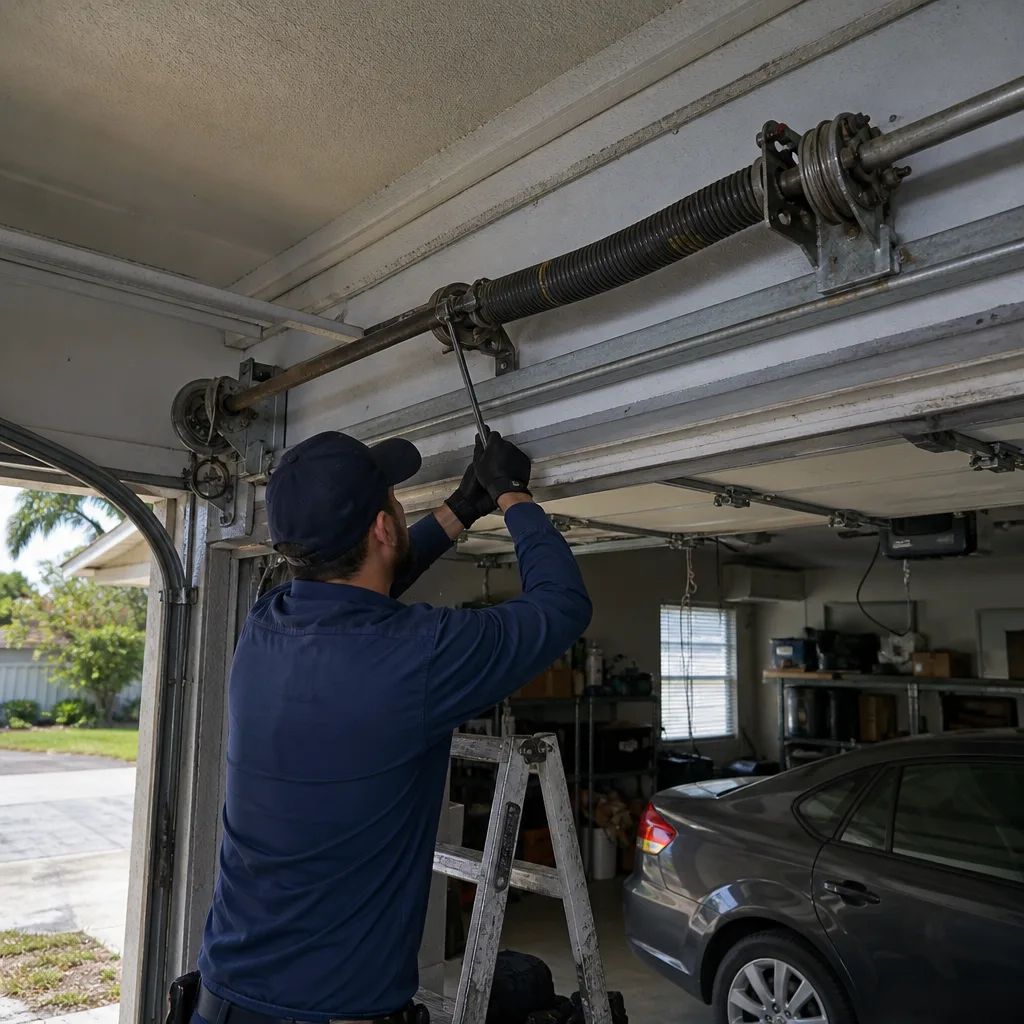 Before
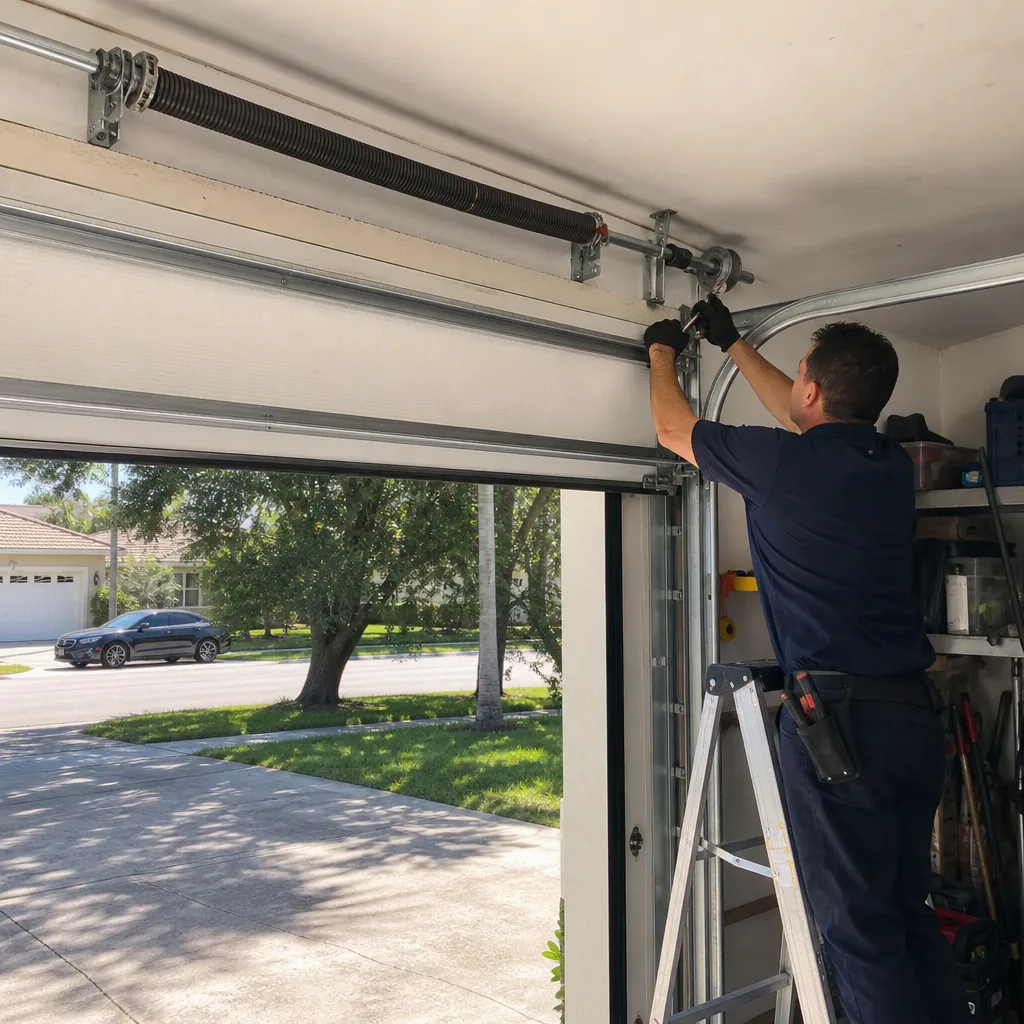 After
After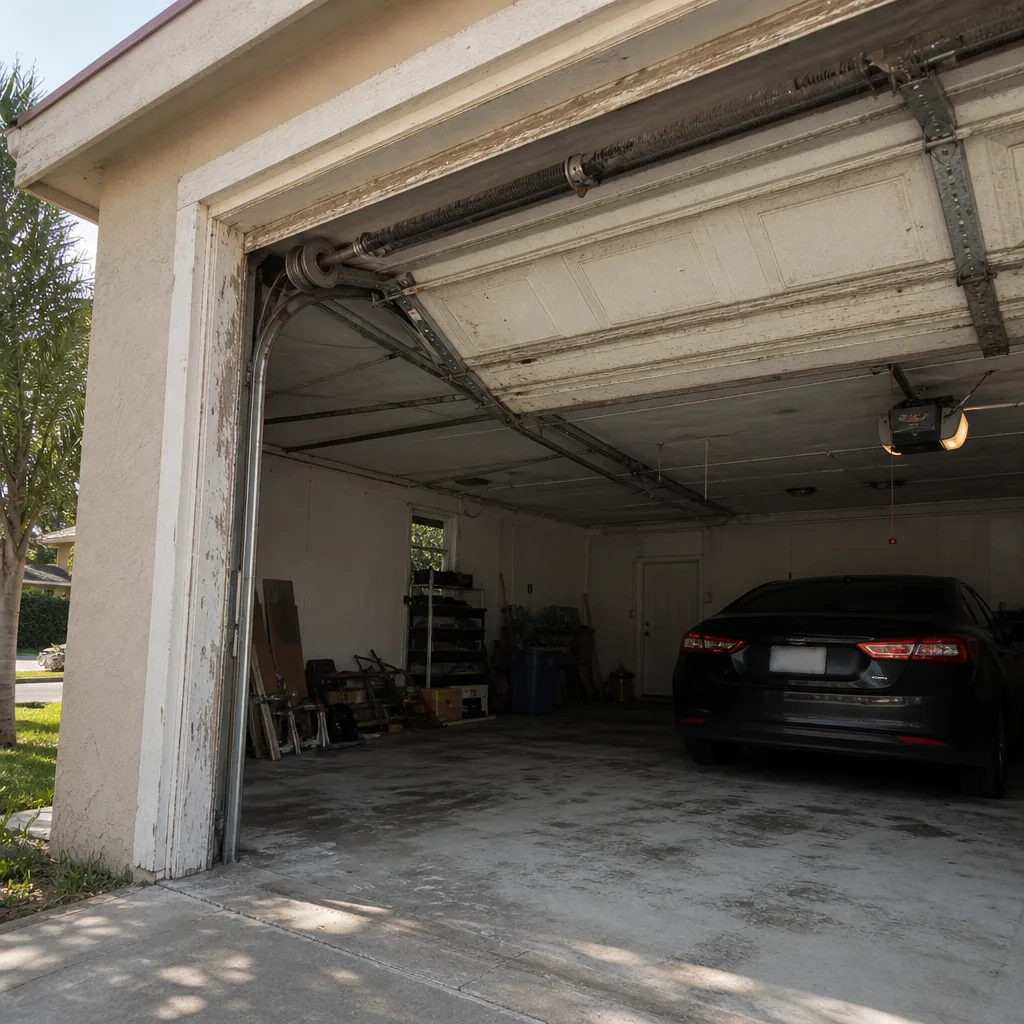 Before
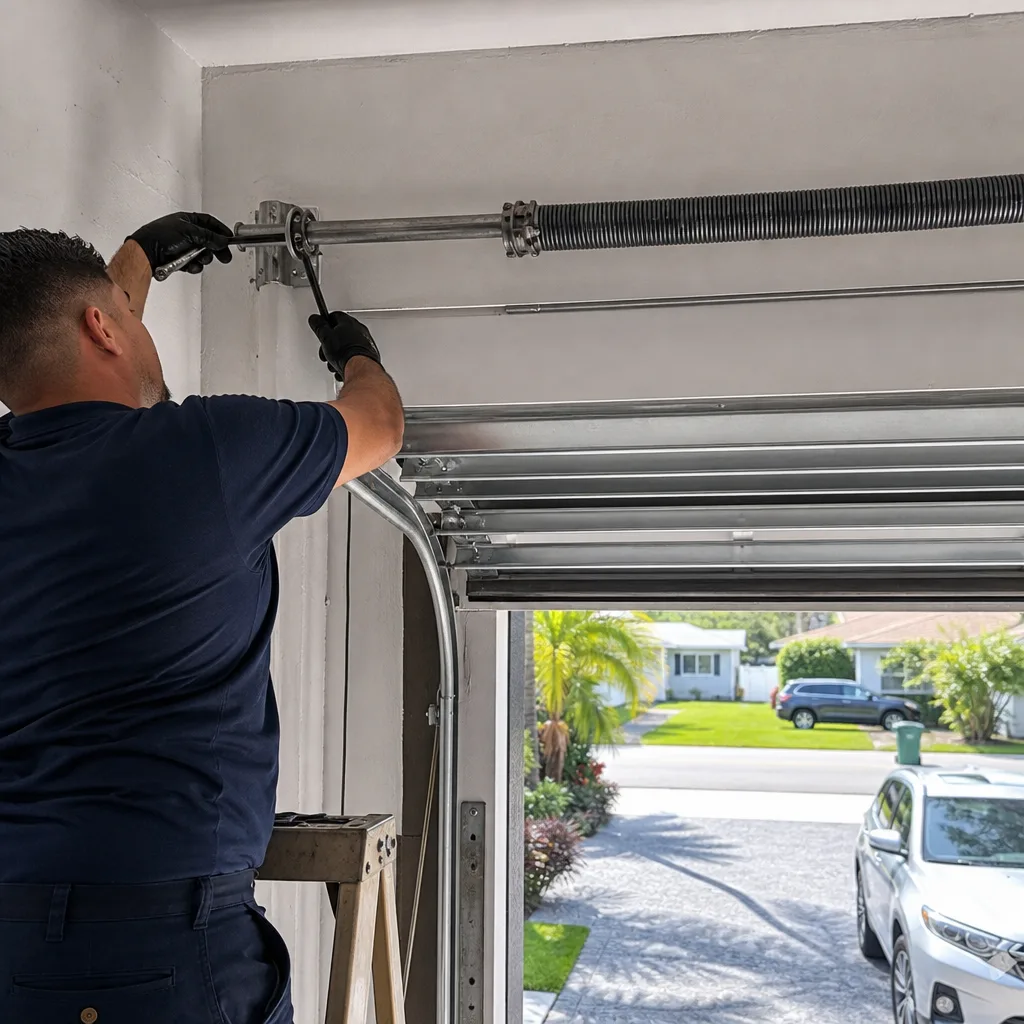 After
AfterReplacement Cost & What’s Included
For Chamberlain-compatible weather seal replacement in Miami, expect to pay $85 – $165 installed. The lower end covers a standard single-wide door (8 to 9 feet) with a common T-style seal and a healthy aluminum retainer. The upper end covers a double-wide door, a specialty profile we need to order, or a retainer that has to be cleaned up and re-bedded because salt air corrosion has started pitting the aluminum channel.
Here’s how the number breaks down. The rubber seal itself is typically $30 – $60 depending on profile and length. Most of the quote is labor and the truck carrying the part to your door. We don’t do door-step price changes – the number Marcus gives you before any work begins is the number on the invoice. That’s the Kingswell Way, and it’s not a sales gimmick; it’s how we’ve run jobs since 2001. The 365-Day Done Right Promise covers this repair in writing: if the seal fails, shifts, or pulls loose within a year, we return and fix it at no charge. You’ll also get a written guarantee that details exactly what’s covered and for how long.
DIY or Call Us?
Bottom-seal replacement is one of the few garage door jobs that doesn’t involve dangerous high-tension components, so we’ll be straight with you: if you can correctly identify your retainer profile and buy the right seal the first time, this is within reach for a patient homeowner with a putty knife and a pair of end nippers. The risks are more practical than physical – the wrong $45 part, two hours of kneeling on a hot Miami driveway, a retainer damaged because you forced a seal that was one profile off, and a garage that still leaks after all of it.
What we’d rather you do is walk outside with your phone right now, snap a photo of the end profile of the existing seal and the width of the bottom rail, and send it to us with your address. Marcus will tell you what that seal is, what it’s going to cost to replace, and whether it’s genuinely worth your Saturday. If you’d rather pass it to our crew, same-day is on the table in most Miami neighborhoods when the parts match and the truck is still loaded. Either way, call (850) 673-0645 – that’s a live person, not a phone tree.
FAQs
In Miami’s sun and salt air, plan on replacing the bottom seal every 3 to 5 years – doors that face south or sit within a mile of Biscayne Bay trend toward the shorter end. Rubber seals in inland neighborhoods like Fontainebleau or the warehouse districts near Wynwood degrade primarily from heat and UV, while coastal installations add airborne salt to the equation, which dries the EPDM compound faster. The single biggest predictor is how many hours of direct afternoon sun the door face absorbs.
No – and here’s the honest reason: rubber does not re-fuse, patch, or bond well at the flex points where these seals tear. A cut at the corner of the bulb means the entire profile has hardened enough to fail there, and gluing or splicing buys you a few weeks at most. It’s the one part on the system where replacement is genuinely cheaper than any repair attempt. Call (850) 673-0645 and we’ll quote you an exact number before anyone touches the door.
For a standard single-wide Chamberlain door with an intact retainer, the swap takes 30 to 45 minutes, and we never need to adjust the springs or tracks to do it. If your retainer is corroded or has pulled screws – common within a few miles of Miami’s intracoastal waterways – add 30 more minutes and a modest materials charge to re-bed it properly. Most jobs are done in under an hour, and the crew leaves your garage floor cleaner than they found it.
Yes. Our Miami service trucks carry the three most common Chamberlain retainer profiles, along with the standard lengths for both single and double doors, which means most mornings we can pull into a driveway in Palmetto Bay or Little Gables and finish in one visit. If your door takes a specialty profile, we’ll tell you over the phone, order the part, and schedule you within a day or two – with the price still set in writing before the work starts.
Written by Marcus Ellery, Owner, Bramwell Garage Doors Miami at Bramwell Garage Doors Miami, serving Miami and nearby areas.